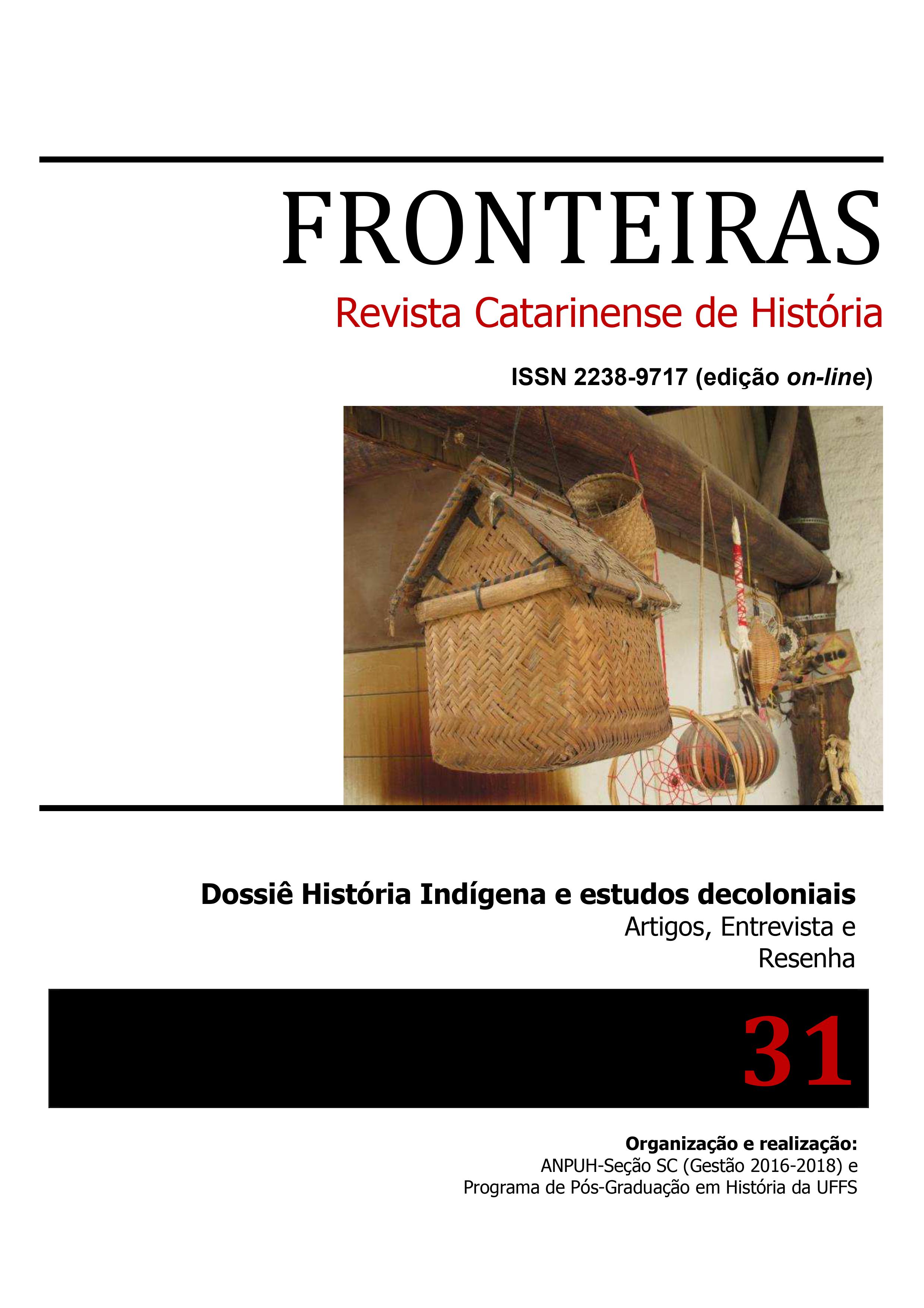
In the eighteenth century, a crossroads of peoples:
the natives in the formation of the captaincy of Mato Grosso
DOI:
https://doi.org/10.36661/2238-9717.2018n31.10563Keywords:
População, Povos indígenasAbstract
The objective of this article is to analyze the relation of indigenous peoples with the formation of the captaincy of Mato Grosso, in the eighteenth century, to understand the demographic dynamics of this spatiality. These ethnic groups densely occupied the central portion of South America, an area in which the Mato Grosso captaincy was established, encompassing the present states of Rondônia, Mato Grosso, and Mato Grosso do Sul. With the advance of the Indian hunters of São Paulo and Lusitanian, several conflicts occurred by the possession of these lands located to the west of Portuguese America, leading to a movement of extermination and assimilation of the indigenous peoples to the population of the captaincy. From the analysis of the collected documentation, it was verified that its participation, together with that of African ethnic groups, made up the majority of the population of Mato Grosso in the seventies.
Keywords: Indigenous peoples; population; captain of Mato Grosso.
Downloads