Phosphorus removal in membrane bioreactor systems: a
systematic review of operational parameters and configurations
Renata de Arcega Leal
Amanda Dalalibera-Nunes
André Aguiar Battistelli
Tiago José Belli
Maria Eliza Nagel-Hassemer
Gabriel Tochetto
Abstract
Phosphorus (P) is
an essential yet finite resource, and concerns about its availability are
intensified by population growth, urbanization, and increasing food demand,
while stringent discharge regulations are required to protect aquatic
ecosystems from eutrophication. Membrane bioreactors (MBRs) combine biological
treatment with membrane separation, enabling high effluent quality and
supporting water reuse; however, the literature reports P performance in ways
that are difficult to compare across studies. This systematic review screened
854 Scopus records (2014–2025) and synthesized 29 eligible bench- and
pilot-scale studies reporting at least one operational parameter (transmembrane
pressure (TMP), hydraulic retention time (HRT), sludge retention time (SRT), or
aeration) alongside P performance. Its novelty lies in linking operational
settings to performance separately for each P fraction, distinguishing true
dissolved-P removal from particulate retention by the membrane, a distinction
rarely made in earlier reviews. High total phosphorus (TP) removals (>90%)
were frequently reported under optimized or hybrid conditions, including
electro-assisted configurations such as electrocoagulation, whereas
conventional aerobic MBRs showed more variable orthophosphate removal.
Operational settings that improve biological uptake or promote precipitation
enhanced P removal but also intensified fouling, revealing a consistent
trade-off between effluent quality and membrane service life. The evidence
supports MBR-based systems as a versatile platform for meeting stringent P
targets, provided that P fractions are reported explicitly and that removal
mechanisms are separated from solids retention.
Keywords: Nutrient recovery; Wastewater treatment; Biological
degradation; Scientometric analysis; Sustainability.
Remoção de fósforo em sistemas de biorreatores com
membranas: uma revisão sistemática de parâmetros operacionais e configurações
Resumo
O fósforo (P) é um
recurso essencial, porém finito, e as preocupações com sua disponibilidade são
intensificadas pelo crescimento populacional, pela urbanização e pela demanda
por alimentos, enquanto regulamentações rigorosas de lançamento protegem os ecossistemas
aquáticos da eutrofização. Os biorreatores com membranas (MBRs) combinam
tratamento biológico e separação por membranas, possibilitando elevada
qualidade do efluente e o reúso da água; contudo, o desempenho quanto ao P é
relatado de formas dificilmente comparáveis entre estudos. Esta revisão
sistemática analisou 854 registros da base Scopus (2014–2025) e sintetizou 29
estudos elegíveis em escala de bancada e piloto que reportaram ao menos um
parâmetro operacional (pressão transmembrana (TMP), tempo de retenção
hidráulica (HRT), tempo de retenção de lodo (SRT) ou aeração) juntamente com o
desempenho relacionado ao P. Sua contribuição original está em associar
condições operacionais ao desempenho separadamente para cada fração de P,
distinguindo a remoção efetiva de P dissolvido da retenção de particulado pela
membrana, distinção rara em revisões anteriores. Elevadas remoções de fósforo
total (TP) (>90 %) foram relatadas sob condições otimizadas ou híbridas,
incluindo configurações assistidas eletroquimicamente, como a eletrocoagulação,
enquanto MBRs aeróbios convencionais apresentaram remoção mais variável de
ortofosfato. Configurações que favorecem a absorção biológica ou a precipitação
aumentaram a remoção de P, mas intensificaram a colmatação, evidenciando um
compromisso entre qualidade do efluente e vida útil das membranas. As
evidências sustentam os sistemas baseados em MBR como plataforma versátil para
atender metas rigorosas de P, desde que as frações de fósforo sejam reportadas
explicitamente.
Palavras-chave: Recuperação de nutrientes; Tratamento de águas residuárias;
Degradação biológica; Análise cienciométrica; Sustentabilidade.
Recebido:
27/05/2026 Última versão recebida: 05/08/2026 Aceite: 06/08/2026
Publicado: 21/08/2026
1 Introduction
Phosphorus (P) is an
essential element for all living organisms. However, the primary supply of this
element is derived from nonrenewable phosphate rock resources (Lin et al.,
2024). The increasing demand for food has led to a greater reliance on P in agricultural
practices, which has raised concerns about the long-term sustainability of
resource availability (He et al., 2023). Concurrently, the implementation of
more stringent regulations on P discharge has been undertaken with the
objective of mitigating eutrophication and other environmental impacts
associated with excess P in aquatic systems (Jin et al., 2024).
Wastewater contains
both organic and inorganic P fractions (e.g., phospholipids, phosphate esters,
apatite, and iron phosphate), which motivates targeted treatment approaches
(Carrillo et al., 2020). The degree of reported P removal in conventional wastewater
treatment plants can exhibit significant variability, contingent on process
design and operating conditions. In numerous instances, supplementary measures
are necessary to adhere to more stringent discharge limits (Van Vuuren et al.,
2010). Precipitation is an effective method; however, it has been observed to
result in increased chemical demand and sludge production (Jin et al., 2024).
Biological routes exemplified by enhanced biological phosphorus removal, are
appealing from a sustainability perspective. However, their effectiveness is
contingent upon operational conditions and influent characteristics (Faria et
al., 2006).
Three bodies of
evidence frame this review. First, operational parameters govern P performance:
HRT and SRT set the balance between anaerobic release and aerobic uptake by
phosphorus-accumulating organisms (PAOs), aeration controls both oxygen supply
and shear-driven fouling control, and TMP reflects the accumulation of material
on the membrane surface. Recent syntheses show that these parameters are rarely
reported in a comparable manner across studies, which limits meta-analytical
treatment of the evidence base (Saidulu et al., 2021). Second, MBR
configurations have diversified well beyond the submerged/sidestream dichotomy,
now encompassing multi-zone biological trains, biofilm-assisted hybrids,
granular sludge systems, and electro-assisted arrangements; each imposes a
different balance between nutrient performance and membrane service life
(Khoiruddin et al., 2025). Third, fouling remains the dominant operational
constraint, and the strategies that most improve P removal (higher biomass
concentrations, coagulant dosing, and chemical precipitation within the
reactor) are frequently the same strategies that accelerate fouling (Turan,
2025).
Membrane bioreactors
(MBRs) are a specialized type of wastewater treatment system that integrates
biological treatment with membrane separation, resulting in compact footprints
and high effluent quality (Sorgato et al., 2023, Zhang et al., 2023). However,
it is important to distinguish between (i) improved solids retention by the
membrane (which primarily affects particulate-bound P) and (ii) true removal of
dissolved P, which depends on biological uptake and/or physicochemical
precipitation pathways. Configuration choices (e.g., anaerobic selectors) can
promote phosphorus-accumulating organisms and improve biological P removal
(Khan et al., 2019).
In municipal
wastewater, P occurs as orthophosphate (PO43−) and as particulate- and
organic-bound fractions. Organic P is often associated with biomolecules,
whereas inorganic P may also be present as condensed phosphates (Marguti et
al., 2008). To avoid mixing incompatible metrics, P loading is commonly reported
either as per-capita mass loads (e.g., g P person−1 day−1)
or as concentrations (e.g., mg L−1);
both perspectives are relevant for design, but they should be interpreted
consistently with the underlying assumptions (Andrés et al., 2018).
Despite this expanding
literature, three gaps persist. Reported P performance is seldom disaggregated
by fraction, so that TP removal attributable to the physical retention of
particulate P by the membrane is not separated from the biological or physicochemical
removal of dissolved P. Operational conditions are reported heterogeneously,
which prevents direct comparison across configurations. And the mechanisms
responsible for P removal are frequently asserted rather than examined.
Accordingly, this review analyzes the influence of operational parameters and
MBR configurations on reported P removal performance, with three specific
objectives: (i) to map the evidence base for MBR-based P removal published
between 2014 and 2025; (ii) to relate operational parameters to performance
separately for each P fraction reported; and (iii) to examine the chemical,
physical, and biological mechanisms underlying P removal in MBR systems,
including the role of volatile fatty acids (VFAs) and the practical constraints
on converting removed P into a recoverable product.
2 Research methodology
This review was based on a systematic literature analysis
of P removal using MBR-based systems, as reported in the Scopus database. The
search strategy employed a combination of the terms “membrane bioreactor” or
“MBR” with “P” or “phosphorus” and the wildcard “remov*”, targeting
publications from 2014 to 2025. No restrictions were applied regarding MBR
configurations or language.
Scopus was adopted as the single source of records for
three reasons. It provides the broadest coverage of peer-reviewed engineering
and environmental science journals among the databases with structured export,
its metadata fields are internally consistent, which is a precondition for the
bibliometric mapping described below, and its export format is natively
compatible with VOSviewer, avoiding the record-merging and
author-disambiguation errors that arise when heterogeneous exports from
multiple databases are combined. The exclusive use of a single database is
nevertheless acknowledged as a limitation of this review, since relevant
records indexed only in Web of Science, Scopus-excluded regional journals, or
grey literature may not have been retrieved. The search window of 2014 to 2025
defines the corpus synthesized in Sections 4.2 and 4.5 and summarized in Tables
1 to 6. Studies published after the search was closed are cited in this review
for contextual and mechanistic discussion only; they were not screened against
the eligibility criteria, are not included in the 29 eligible studies, and do
not appear in the summary tables. Each is identified in the text as falling
outside the search window.
The eligibility criteria were defined a priori: (i)
original research articles reporting experimental data on P removal in bench
and/or pilot-scale MBR-based systems (including hybrid configurations); and
(ii) studies reporting at least one operational parameter (e.g., HRT, SRT, TMP,
or aeration) in relation to P removal performance. For each included study, we
extracted: configuration type, scale, wastewater type, target P fraction (e.g.,
TP vs. orthophosphate), influent/effluent P concentrations when available, and
the reported operating conditions.
Because P fractions are reported inconsistently (e.g.,
total phosphorus vs. orthophosphate), the results are discussed with explicit
reference to the fraction measured. This approach is taken to avoid conflating
particulate retention with dissolved P removal.
For the scientometric analysis, VOSviewer (v1.6.20) was
employed to identify trends and visualize keyword and country distributions.
The filters incorporated a maximum of 25 authors per document, a minimum of 50
citations per document, and a minimum of 50 documents per country.
3 Membrane bioreactor
MBRs are advanced wastewater treatment systems that
integrate biological processes with membrane filtration, offering high effluent
quality by retaining sludge flocs and macromolecular contaminants (Zhang et
al., 2023). Compared to conventional activated sludge systems, MBRs provide
advantages such as compact design, low sludge production, simplified operation,
and superior pollutant removal efficiency (Judd, 2008, Ravadelli et al., 2021).
While typically incorporating aerobic biological treatment and membrane
separation in place of secondary clarifiers, anaerobic MBR configurations are
also viable (Judd, 2016).
MBRs perform simultaneous biological degradation and
physical separation, allowing higher biomass concentrations and enhanced system
performance (Guo et al., 2022, Pollice et al., 2004, Zhou et al., 2024). For P
removal, MBRs enable sustained microbial activity and improved nutrient
removal, often surpassing the performance of conventional treatment plants (Jin
et al., 2024, Liu et al., 2022). Their compact and modular design further
supports efficient operation and nutrient recovery (Yeon et al., 2005).
3.1 Operational dynamics
MBR technology is recognized for its modularity and
adaptability, which provide resilience to load fluctuations and operational
flexibility (Cho et al., 2011). MBR systems can be classified by reactor
configuration, membrane type and location, and mode of operation. Understanding
how operational parameters influence MBR performance is critical, as they
directly impact contaminant removal, process stability, and effluent quality.
Commercially, MBRs are implemented in two main
configurations: external (sidestream) and submerged (immersed) membrane modules
(Andrade et al., 2014, Metcalf & Eddy, 2003). In external configurations,
membrane modules are located outside the bioreactor, with two distinct streams:
the permeate (treated effluent) and the concentrate (returned to the reactor)
(Lens et al., 2015). These systems offer higher hydraulic throughput and
operational flexibility but demand greater energy due to elevated TMP, tangential
flow velocities, and frequent cleaning cycles (Andrade et al., 2014, Thomas et
al., 2000). Nonetheless, they typically require a smaller membrane surface
area.
In submerged configurations, membranes are placed directly
inside the bioreactor or in a dedicated tank. Suction generated by a vacuum or
peristaltic pump on the permeate side enables liquid passage through the
membrane, while solids are retained (Liu et al., 2012, Metcalf & Eddy,
2003). Operating under low pressure (typically 0.2–0.8 bar), these systems are
energy-efficient and compact, with membrane modules often positioned above
aeration units or within separate compartments (Belli et al., 2021).
Membrane materials are broadly categorized into polymeric
and ceramic types (Ravadelli et al., 2021). Structurally, membranes comprise a
selective surface layer supported by a porous substrate for mechanical strength
and high surface porosity (Chen et al., 2020). Durability is essential, as
membranes must withstand mechanical stress and resist chemical and thermal
degradation caused by cleaning agents, pH shifts, and temperature fluctuations
(Meng et al., 2017).
Recent developments have expanded this materials landscape.
Ceramic membranes, historically constrained by capital cost, have received
renewed attention for their chemical and thermal stability and lower fouling
propensity, and have been applied in gravity-driven and
functional-particle-enhanced MBR configurations achieving simultaneous nitrogen
and phosphorus removal (Nie et al., 2023, Qin et al., 2024). Surface
modification and the incorporation of functional materials have been pursued to
render membrane surfaces less prone to biofilm attachment, while electroactive
and electrically conductive membranes allow the membrane itself to act as an
electrode, coupling fouling mitigation with electrochemically assisted P
removal in a single element (Hu et al., 2024). Gravity-driven configurations,
which operate without a suction pump, have likewise been reported to sustain
nutrient removal at substantially reduced energy demand (Du et al., 2025).
These developments are relevant to P removal because the material and surface
properties that resist fouling also determine how much chemical or
electrochemical dosing a system can tolerate before membrane performance
degrades.
Evidence published after the close of the search window
indicates that the trade-off between phosphorus performance and membrane
fouling is not as rigid as the earlier literature suggested. Wu et al. (2026)
combined a powder carrier with a hydrocyclone to develop micro-granular sludge
within an MBR, reporting effluent TP below 0.03 mg L-1 together with
transmembrane pressure held at approximately 8 kPa for more than 20 days at a
flux of 20 L m-2 h-1, and achieving this at a short HRT
of 6 h and an unfavorable influent C/N ratio of about 3.2. The mechanism
reported is indirect: the powder carrier modulates quorum sensing and reduces
EPS production, so that fouling is mitigated through the microbial route rather
than by hydraulic means. Configurations coupling photosynthetic and
heterotrophic biomass have also been described, including internal circulating
photogranular reactors (Li et al., 2026) and microalgae-bacteria consortia
based on Chlorella sorokiniana (Nguyen et al., 2026), which extend MBR
application to saline and aquaculture effluents where conventional
configurations perform poorly.
3.2 Operational aspects
Although MBRs produce high-quality effluent, their
operation is influenced by various factors that must be rigorously controlled
to ensure performance and longevity. External conditions such as climate,
effluent composition, and temperature can impact operation, while controllable
parameters include pH, biomass concentration, aeration, TMP, suspended solids
(SS), fouling, and critical flux (Belli et al., 2021, Ravadelli et al., 2021).
In aerobic systems, aeration supplies oxygen for microbial
degradation of organic matter and maintains biomass in suspension, reducing
membrane fouling through shear stress from air bubbles (Belli et al., 2021,
Kraume et al., 2009). TMP reflects particle accumulation on the membrane; low
and stable TMP favors consistent filtration, particularly in submerged systems
operating at lower pressures (Costa et al., 2019, Souza et al., 2020).
High SS concentrations decrease permeate flux due to
membrane overloading and increased sludge viscosity. Levels above 40–50 g L⁻¹
should be avoided to prevent clogging and performance decline (Belli et al.,
2023). Fouling, caused by pore blockage, biofilm formation, inorganic
precipitation, and macromolecule adsorption, is a major operational challenge,
raising maintenance costs and reducing filtration efficiency (Costa et al.,
2018, Guo et al., 2022, Meng et al., 2017).
Critical and limiting flux concepts, established in the
foundational work of the mid-2000s and retained here for that reason, are key
to managing fouling. Critical flux is the highest flux below which fouling is
negligible; operating below this threshold minimizes TMP variations (Han et
al., 2005, Le-Clech et al., 2006). In contrast, limiting flux is the maximum
achievable flux, beyond which increases in TMP do not enhance performance
(Bacchin et al., 2006).
4 Systematic review
4.1 Scientometric analysis
Each year, numerous studies examine the operational aspects
and configurations of MBRs for wastewater treatment, with a focus on P removal.
A bibliometric scan was conducted to map the evolution and thematic structure
of the MBR–phosphorus literature and to contextualize the evidence base used in
the systematic review. Using the Boolean terms (“MBR” or “membrane bioreactor”)
and (“P” or “phosphorus”) and “remov*”, the search retrieved 1266 documents
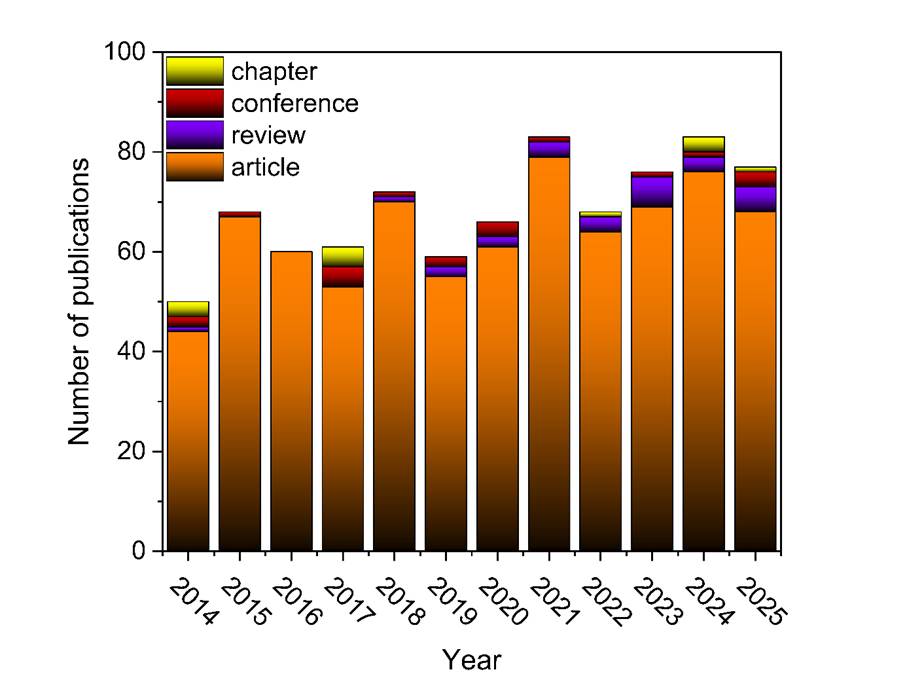
across all years. Restricting the window to 2014–2025, 854 records were
identified, comprising 766 articles, 26 reviews, 25 conference papers, and 30
book chapters. The annual output increases (Figure 1), indicating accelerated
research activity and technological diversification in MBR‑based P removal.
Figure 1: Annual publications and citations on
phosphorus removal using membrane bioreactors, 2014–2025. Records retrieved
from the Scopus database using the Boolean search string ("membrane
bioreactor" OR "MBR") AND ("P" OR "phosphorus")
AND "remov*".
Source: Elaborated by author
based on Scopus database (2014-2025).
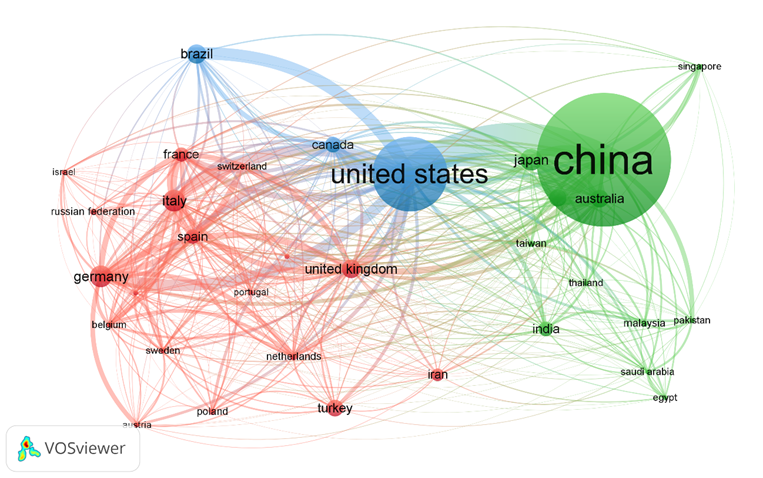
China leads in publications on phosphorus removal using
MBRs, contributing 30.1%, followed by the United States with 16.8%. Germany,
Japan, and Italy each account for 4.9%, as illustrated in Figure 2A. Other
notable contributors include Brazil, the United Kingdom, Australia, and South
Korea. China's leading role likely reflects both the severity of its
environmental challenges and its investments in water resource recovery
technologies and related public policies.
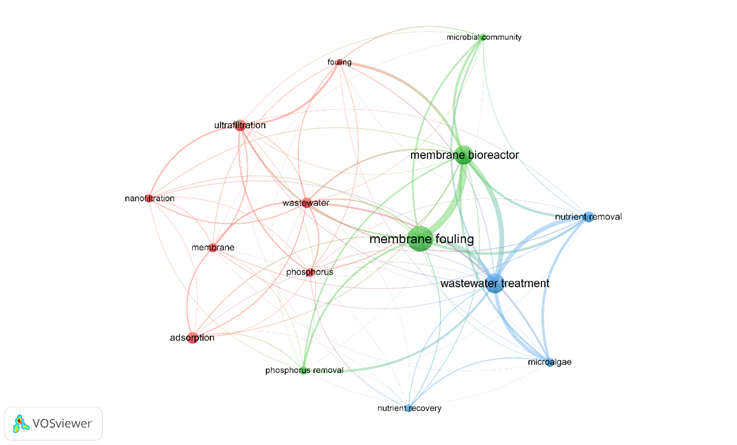
Figure 2: (A) Main contributing countries in
the publication of articles on phosphorus removal using membrane bioreactors,
and (B) network analysis of the keyword distribution related to the same topic.


Source: Generated using
VOSviewer (v1.6.20) from the same set of 854 Scopus records covering the period
2014–2025 described in Figure 1.
Keywords function as standardized terms that encapsulate
the core content of research, aiding in topic classification and trend
identification. Network analysis of these terms, presented in Figure 2B,
reveals correlations among research themes, emerging technologies, and key
areas of interest.
"P removal" remains closely linked to MBR
technology, reflecting its dual role in nutrient removal and recovery. This
suggests a broader focus on parameters such as nitrogen (N), COD, and BOD,
indicating a shift from conventional treatment to resource recovery.
Terms like "microbial community" highlight the
biological foundation of MBRs, emphasizing the role of microbial consortia in
nutrient removal and contaminant degradation. Emerging keywords such as
"nanofiltration" and "ultrafiltration" reflect advancements
in membrane technologies, while "adsorption" points to integrated or
complementary nutrient removal methods.
The recurrence of "fouling" underscores
persistent challenges related to membrane clogging, often linked to system
configuration and design optimizations aimed at improving operational
efficiency.
Overall, the keyword network illustrates the
interdisciplinary nature of MBR research, emphasizing its relevance to nutrient
recovery, sustainable wastewater treatment, and evolving membrane technologies.
4.2 Influence of parameters
Operational parameters play a crucial role in effluent
treatment performance and regulatory compliance. Efficient management improves
effluent quality and reduces costs (Diaz et al., 2022).
Key factors such as pH, HRT, SRT, flow rate, TMP, aeration,
and PF were consistently evaluated in studies assessing MBR performance for P
removal. Several studies also investigated the effects of EC and ET on various
effluent types (Chen et al., 2023, Liu et al., 2019, Predolin et al., 2021,
Udomkittayachai et al., 2021, Yu et al., 2023).
Various conventional and biologically-driven MBR
configurations have been investigated to optimize phosphorus removal,
encompassing multi-zone arrangements such as anaerobic/anoxic/aerobic (AAO)
systems, hybrid biological configurations, and aerobic-only designs. These
configurations exploit distinct microbial communities and zone-specific
conditions, particularly anaerobic P release followed by aerobic uptake by
phosphorus-accumulating organisms (PAOs), to achieve high removal efficiencies.
Table 1 summarizes the key operational parameters and P removal performance
reported across these conventional and aerobic MBR configurations.
Table 1: Summary of studies using
conventional biological and aerobic MBR configurations for phosphorus removal
from wastewater, including key operational parameters and removal efficiency.
|
MBR configuration
|
Treatment type
|
Wastewater type
|
HRT
|
TMP
|
P removal efficiency
|
Reference
|
|
Section A:
Multi-zone biological MBR configurations
|
|
Anaerobic Baffled
Reactor combined with Membrane Bioreactor
(ABR-MBR)
|
Anaerobic
+ aerobic
|
Domestic
+ Synthetic
|
7.5 h
|
NR
|
RP:
92.0 %
Pinitial: 4.19 mg L⁻¹
Pfinal: 0.31 mg L⁻¹
|
Wu et
al., 2014
|
|
Submerged Hollow
Fiber PVDF Membrane Bioreactor
(S-MBR)
|
Aerobic
|
Domestic
|
3 h
|
NR
|
RP: 80–85 %
Pinitial: 11.7–20.3 mg L⁻¹
|
Ratanatamskul et
al., 2015
|
|
Anaerobic/Anoxic/Aerobic
Membrane Bioreactor with Limited Aeration
(AAO-MBR)
|
Anaerobic
Anoxic
Aerobic
|
Municipal
|
3/3/6.3
h
(anaerobic/
anoxic/
aerobic)
|
30 kPa
|
RP:
96.7 %
Pinitial: 4.72 mg L⁻¹
Pfinal: 0.22 mg L⁻¹
|
Jiang
et al., 2021
|
|
Anaerobic/Anoxic/Oxic
Membrane Bioreactor (AAO-MBR)
|
Anaerobic
Anoxic
Aerobic
|
Municipal
|
NR
|
NR
|
RP: 93 %
Pinitial: 2.65–6.15 mg L⁻¹
Pfinal: 0.04 mg L⁻¹
|
Na et al., 2017
|
|
Hybrid Membrane
Bioreactor (H-MBR) and Conventional Membrane Bioreactor (C-MBR)
|
Aerobic
(hybrid vs. conventional)
|
Domestic greywater
|
8 h
|
NR
|
RP: 88 % (both)
Pinitial: 0.53 mg L⁻¹
Pfinal: 0.051 mg L⁻¹
|
Palmarin &
Young, 2019
|
|
Anoxic Membrane
Bioreactor (An-MBR)
[compared with Aerobic MBR — Step I & II]
|
Anoxic vs. Aerobic
|
Domestic
|
Step I / Step II
(varying MLSS)
|
NR
|
Aerobic MBR Step I:
Pinitial: 2.7–5.5 mg L⁻¹
Pfinal: 1.3 mg L⁻¹
|
Khan et al., 2014
|
|
Pilot-Scale
Membrane Bioreactor (MBR-P)
[UCT configuration]
|
Anaerobic
Anoxic
Aerobic (UCT)
|
Municipal
|
NR
|
NR
|
RP: 65.0 %
Pinitial: 6.3 mg L⁻¹
Pfinal: 3.0 mg L⁻¹
|
Sayi-Ucar et al.,
2015
|
|
Section B:
Aerobic MBR configurations
|
|
Aerobic Granular
Sludge-Membrane Bioreactor (AGS-MBR)
|
Aerobic granular
sludge
|
Synthetic
|
8 h
|
NR
|
RP: 30–70 %
Pinitial: 28.3 mg L⁻¹
|
Liu et al., 2022
|
|
Dissolved Air
Flotation followed by Membrane Bioreactor (DAF-MBR)
|
Aerobic +
pre-treatment DAF
|
Municipal
|
NR
|
5 - 6 bar
|
RP: 64 %
Pinitial: 5.9 mg L⁻¹
Pfinal: 2.1 mg L⁻¹
|
Kim et al., 2015
|
|
Aerobic Lateral
Flow Granular Sludge Membrane Bioreactor (AGMBR)
|
Aerobic granular
sludge
(SBR mode)
|
Synthetic
|
170 min
cycle
|
NR
|
RP: 95 %
Pinitial: 34.5 mg L⁻¹
|
Iorhemen et al.,
2018
|
|
Membrane Bioreactor
with Intermittent Aeration (MBR-IA)
|
Aerobic
Anoxic
(intermittent aeration)
|
Synthetic
|
Stage I: 8 h
Stage II: 8 h
|
1.0 kPa
|
Stage I: RP: 66.4 ±
19.2 %
Stage III: RP: 54.5 ± 6.2 %
|
Wang et al., 2015
|
Notes: HRT = Hydraulic Retention Time; TMP =
Transmembrane Pressure; RP = Removal Percentage; Pinitial = influent
P concentration; Pfinal = effluent P concentration; NR = not
reported.
Aeration plays a critical role in MBR systems, influencing
both biological performance and membrane operation. In AGS-MBR (Aerobic
Granular Sludge-MBR) systems, controlled aeration supports
nitrification–denitrification processes essential for microbial community
development (Liu et al., 2022). In a hybrid DAF-MBR configuration, dissolved
air flotation (DAF) pre-treatment reduced organic and solids loading,
decreasing membrane fouling potential (Kim et al., 2015).
An intermittently aerated integrated MBR developed for
carbon and nitrogen removal and P recovery demonstrated high removal
efficiencies while enabling P recovery from sludge (Wang et al., 2015).
Intermittent aeration also reduced energy consumption and optimized biological
processes.
Further, in an AGMBR operated in sequencing batch reactor
(SBR) mode, effective operation was achieved through an aeration cycle of 170
min (Iorhemen et al., 2018). The use of aerobic granular sludge promoted
granulation, improved sedimentation, and reduced the sludge volume index, thus
lowering membrane fouling risk. Details from these studies are summarized in
Table 1, section B.
Efficient P removal heavily depends on the dosage and type
of coagulants used, which directly affect membrane fouling (Alibardi et al.,
2021, Asif et al., 2021, Lee et al., 2017, Li et al., 2018, Silva et al., 2022,
Sun et al., 2019). In the study by Silva et al. (2022), the permeate quality of
the MBR was maintained at high standards, with low SS and turbidity
concentrations, essential for the MBR's long-term performance. Higher coagulant
doses were required when combined with the MBR, despite excellent results
compared to other local treatment systems, such as continuous backwash upflow
sand filters and high-rate compressible media filters (Alibardi et al., 2021).
However, the membrane fouling issue and increased solids concentration raise
concerns not only about reduced P removal efficiency but also about higher
operational costs.
The effects of different coagulant basicities, specifically
PAC (Polyaluminum Chloride), were assessed, revealing that high-basicity PAC
minimized negative impacts on microbial activity and preserved biological
process efficiency (Lee et al., 2017). An MBR operated with high-basicity PAC
showed better stability in terms of TMP and effluent quality, indicating that
selecting the correct coagulant basicity can significantly mitigate operational
issues.
A similar coagulant-based approach was used with Fe(II) and
ozone in the MBR, where iron facilitated P precipitation and ozone broke down
extracellular polymeric substances (EPS) and soluble microbial products that
contribute to membrane fouling (Asif et al., 2021). FeCl₃ and acidogenic
co-fermentation were employed to convert iron into a more soluble form,
enabling easier P release through pH reduction (Li et al., 2018). Aluminum
sulfate was applied in the MBR, slightly enhancing sludge activity and effectively
reducing the TMP rise rate from 1.13 KPa d⁻¹ to 0.57 KPa d⁻¹ (Sun et al.,
2019). The data from these studies are summarized in Table 2.
Table 2: Summary of studies using
coagulant-assisted MBR configurations for phosphorus removal: coagulant type,
class, and removal efficiency
|
MBR configuration
|
Coagulant
|
Coagulant class
|
Wastewater type
|
HRT
|
P removal efficiency
|
Reference
|
|
No coagulant: baseline condition
|
|
Conventional Membrane Bioreactor (C-MBR)
|
None
(baseline)
|
NR
|
Domestic
|
3/6 h
|
RP: 3.5 %
Pinitial: 5.6 mg L⁻¹
Pfinal: 5.4 mg L⁻¹
|
Lee et al., 2017
|
|
Aluminum-based coagulants: PAC and aluminum sulfate
|
|
Conventional Membrane Bioreactor (C-MBR)
|
PAC-B53
(polyaluminum chloride)
|
Aluminum-based
|
Domestic
|
3/6 h
|
RP: 97.20 %
Pinitial: 5.6 mg L⁻¹
Pfinal: 0.16 mg L⁻¹
|
Lee et al., 2017
|
|
Conventional Membrane Bioreactor (C-MBR)
|
PAC-B71
(polyaluminum chloride)
|
Aluminum-based
|
Domestic
|
3/6 h
|
RP: 97.20 %
Pinitial: 5.6 mg L⁻¹
Pfinal: 0.16 mg L⁻¹
|
Lee et al., 2017
|
|
Conventional Membrane Bioreactor (C-MBR)
|
Alumen
(aluminum sulfate)
|
Aluminum-based
|
Domestic
|
3/6 h
|
RP: 94.50 %
Pinitial: 5.6 mg L⁻¹
Pfinal: 0.31 mg L⁻¹
|
Lee et al., 2017
|
|
Submerged Membrane Bioreactor (S-MBR)
|
Al₂(SO₄)₃ + FeCl₃
(combined dosing)
|
Aluminum + iron (combined)
|
Domestic
|
6.8 h
|
RP: 94.23 %
Pinitial: 5.2 mg L⁻¹
Pfinal: 0.9 mg L⁻¹
|
Silva et al., 2022
|
|
Iron-based coagulants: FeCl₃ and Fe(II)
|
|
Fe(II)-dosed Membrane Bioreactor (Fe-MBR)
|
Fe(II)
(ferrous chloride)
|
Iron-based
|
Municipal
|
11 h
|
RP: 96 %
Pinitial: 10.0 mg L⁻¹
Pfinal: 0.4 mg L⁻¹
|
Asif et al., 2021
|
|
Conventional Membrane Bioreactor (C-MBR)
|
FeCl₃
(ferric chloride)
|
Iron-based
|
Domestic
|
NR
|
RP: 95 ± 3 %
Pinitial: 9.18 ± 5.52 mg L⁻¹
Pfinal: 0.38 ± 0.21 mg L⁻¹
|
Alibardi et al., 2021
|
|
Iron + in-situ ozonation
|
|
Fe(II)-dosed + In-situ Ozonation MBR (Fe/O₃-MBR)
|
Fe(II) + in-situ O₃
|
Iron + ozonation
|
Municipal
|
11 h
|
RP: 94 %
Pinitial: 10.0 mg L⁻¹
Pfinal: —
|
Asif et al., 2021
|
Notes: HRT = Hydraulic Retention Time; RP = Removal
Percentage; Pinitial = influent P concentration; Pfinal =
effluent P concentration; NR = not reported. PAC = Polyaluminum Chloride. Each
coagulant condition is presented as a separate row to enable direct comparison.
P removal using MBRs has been investigated under varying
hydraulic and solids retention times. In a pilot-scale study, a hollow-fiber
submerged MBR operated at an HRT of 7 h and an SRT of 20 d demonstrated
effective conditions for microbial metabolic activity related to P removal
(Smith et al., 2014). Similarly, the performance of an Integrated Fixed-film
Activated Sludge (IFAS-UCT-MBR) system was evaluated under three operational
phases with decreasing SRT/HRT ratios—Phase I (56 d / 30 h), Phase II (31 d /
15 h), and Phase III (7 d / 13 h)—revealing high organic matter removal (up to
99%) even at the lowest SRT/HRT configuration (Mannina et al., 2018). This
configuration also led to increased organic loading, enhanced nitrogen removal,
and higher EPS production, contributing to membrane fouling. Comparative data
from both studies are summarized in Table 3.
The influence of HRT on phosphorus performance is not
uniform across configurations. A study published after the search window was
closed, and therefore cited here for context rather than included in the
synthesis, illustrates the point: in internal circulating photogranular MBRs
treating synthetic mariculture wastewater, doubling the HRT from 24 to 48 h
preserved photogranule structural stability and settleability and extended the
fouling cycle, yet produced no meaningful gain in orthophosphate removal, which
remained at 34.92 ± 3.94 % and 33.61 ± 7.23 % respectively (Li et al., 2026).
This dissociation between hydraulic conditions and phosphorus performance is
instructive: where the dominant removal route is assimilation into biomass
rather than polyphosphate accumulation, extending contact time improves
membrane operation without improving phosphorus uptake. Reported efficiencies
of this magnitude also illustrate the point made throughout this review, since
they refer explicitly to orthophosphate and are therefore not comparable with
the TP values reported by studies in which particulate retention contributes to
the reported figure.
Table 3: Synthesis of information regarding
operational conditions related to hydraulic and solids retention times (HRT and
SRT) in MBR-based systems for phosphorus removal. Operational stages are
presented as individual rows to enable direct comparison across studies.
|
MBR configuration
|
Wastewater type
|
Operational stage
|
HRT
|
SRT
|
Permeate flux
|
P removal efficiency
|
Reference
|
|
Single-phase operation
|
|
Submerged Membrane Bioreactor (S-MBR)
MLSS: 12 g L⁻¹
|
Domestic
|
Single phase
|
7 h
|
20 d
|
19–26 m³ d-1
CA: 54–170 L min⁻¹
|
RP: 94.1 %
Pinitial: 5.39 mg L⁻¹
Pfinal: 0.28 mg L⁻¹
|
Smith et al., 2014
|
|
Multi-stage HRT variation
|
|
Moved Bed Membrane Bioreactor (MB-MBR)
TSS: 3.0 g L⁻¹
|
Domestic
|
Stage I
|
30 h
|
NR
|
21 L m⁻² h⁻¹
|
RP: 87.5 %
Pinitial: 7.82 mg L⁻¹
Pfinal: 0.92 mg L⁻¹
|
Mannina et al., 2018
|
|
Stage II
|
15 h
|
NR
|
26 L m⁻² h⁻¹
|
RP: 90.5 %
Pinitial: 13.72 mg L⁻¹
Pfinal: 1.30 mg L⁻¹
|
|
Stage III
|
13 h
|
NR
|
29 L m⁻² h⁻¹
|
RP: 96.6 %
Pinitial: 12.24 mg L⁻¹
Pfinal: 0.42 mg L⁻¹
|
|
Configuration comparison at fixed HRT/SRT
|
|
Anoxic/Oxic
MBR (A/O-MBR)
vs. C-MBR and MB-MBR
|
Synthetic
|
Single phase
|
8 h
|
30 d
|
NR
|
A/O-MBR: RP: 69.7 %
C-MBR and MB-MBR:
lower efficiency reported
|
Khan et al., 2014
|
|
Multi-stage operation with Fe(II) co-fermentation
|
|
MBR with Fe(II) dosing and
Acidogenic Co-fermentation (MBR/Fe/Ac)
MLSS: 4.0–5.5 g L⁻¹
|
Municipal
|
Stage I
(days 1–60)
|
12 h
|
NR
|
17.4 L m⁻² h⁻¹
|
RP: 70.6 %
Pinitial: 6.35 mg L⁻¹
|
Li et al., 2018
|
|
Stage II
(days 61–120)
|
12 h
|
NR
|
17.4 L m⁻² h⁻¹
|
RP: 87.7 %
Pinitial: 5.04 mg L⁻¹
|
|
Stage III
(days 121–190)
|
12 h
|
NR
|
17.4 L m⁻² h⁻¹
|
RP: 96.4 %
Pinitial: 5.34 mg L⁻¹
|
|
Study group E — Coagulant dosage stages at fixed HRT
|
|
Submerged MBR with Al₂(SO₄)₃ dosing (S-MBR)
|
Municipal
|
Stage I
(0 mg L⁻¹ dose)
|
18 h
|
NR
|
16 L m⁻² h⁻¹
|
RP: 84.4 %
Pinitial: 4.72–5.22 mg L⁻¹
Pfinal: 0.72 mg L⁻¹
|
Sun et al., 2019
|
|
Stage II
(10 mg L⁻¹ dose)
|
RP: 92.0 %
Pinitial: 4.63–5.02 mg L⁻¹
Pfinal: 0.40 mg L⁻¹
|
|
Stage III
(0 mg L⁻¹ dose)
|
RP: 71.1 %
Pinitial: 4.88–5.16 mg L⁻¹
Pfinal: 1.45 mg L⁻¹
|
|
Stage IV
(50 mg L⁻¹ dose)
|
RP: 90.6 %
Pinitial: 4.89–5.05 mg L⁻¹
Pfinal: 0.47 mg L⁻¹
|
Notes: HRT = Hydraulic Retention Time; SRT =
Solids Retention Time; RP = Removal Percentage; Pinitial = influent
P concentration; Pfinal = effluent P concentration; MLSS = Mixed
Liquor Suspended Solids; CA = Continuous Aeration; NR = not reported.
Operational stages of the same study are presented as individual rows to enable
direct comparison across phases.
Various MBR configurations have been investigated to
optimize P and nitrogen removal in synthetic wastewater treatment. In one
study, three systems—conventional MBR (C-MBR), moving-bed MBR (MB-MBR), and
anoxic/oxic MBR (A/O-MBR)—were compared for nutrient removal performance (Khan
et al., 2014). The A/O-MBR, which integrates anoxic and oxic zones within a
single reactor, enabled simultaneous nitrification and denitrification, thereby
enhancing nitrogen and P removal through the activity of phosphorus-accumulating
organisms (PAOs). Operating conditions of 8 h HRT and 30 d SRT supported
microbial development for effective nutrient removal. This configuration also
showed reduced membrane fouling and extended filtration cycles due to lower
concentrations of soluble and bound EPS. Additionally, the use of Kaldnes®
media in both MB-MBR and A/O-MBR systems decreased the sludge load on the
membrane, improving filtration performance.
A comparison between C-MBR and a hybrid MBR with
biocarriers operating under 8 h HRT and 40 d SRT also demonstrated effective
nutrient removal, highlighting the benefits of integrated biofilm systems
(Palmarin and Young, 2019). Similarly, a system composed of an anaerobic stage
followed by alternating anoxic and oxic phases (An-M(A/O)-MBR) emphasized the
importance of reactor configuration and influent management to maintain a
balance of aerobic and anoxic microbial communities (Yuan et al., 2015).
Phase alternation under variable temperature conditions was
also tested to evaluate P removal efficiency. Results showed that factors such
as influent P concentration, organic substrate availability, and HRT directly
influenced the activity of PAOs (Sayi-Ucar et al., 2015). A combined system
using a compartmentalized anaerobic baffled reactor (ABR) followed by an MBR
operated at 7.5 h HRT and 200% recirculation ratio provided favorable
conditions for nutrient removal (Wu et al., 2014). A similar configuration with
a shorter HRT of 3 h—2 h in the ABR and 1 h in the aerobic MBR—led to
intensified PAO activity and high P removal (Ratanatamskul et al., 2015).
The effect of aeration on nutrient removal was assessed
using an anaerobic/anoxic/aerobic MBR (AAO-MBR), where flows of 25–40 L m⁻² h⁻¹
were applied (Jiang et al., 2021). Limited aeration enhanced anaerobic P
release, supported simultaneous nitrification and denitrification, and improved
hydrolysis of particulate organic matter, resulting in high P removal
efficiency.
In contrast, a four-stage MBR system with anaerobic,
anoxic, and aerobic phases and 7.5 h HRT showed higher effluent P
concentrations (0.9 mg L⁻¹) and 20% lower membrane permeability, suggesting
challenges in settling and membrane performance in the anoxic phase (H. Lee et
al., 2015). Finally, a pilot-scale MBR using metabolic uncoupling through an
anaerobic sludge retention tank successfully reduced sludge production and
increased P accumulation by extending SRT and analyzing different polyphosphate
fractions (Na et al., 2017). The data from these electrocoagulation-assisted
studies, including electric field parameters and removal efficiencies, are
summarized in Table 4.
Table 4: Summary of studies using
electrocoagulation-assisted MBR configurations for phosphorus removal:
electrocoagulation mechanism, electrode material, current density, and removal
efficiency.
|
MBR configuration
|
EC mechanism
|
Electrode material
|
Current density/
Applied potential
|
Wastewater type
|
HRT
|
Fouling rate
|
P removal efficiency
|
Reference
|
|
Electric field-controlled dynamic MBR
|
|
Electric Field-Controlled Dynamic MBR
(E-DMBR-Ti)
MLSS: —
|
Electric field
|
Titanium anode
|
4.5 V
|
Synthetic
|
11 h
|
2.28 kPa h⁻¹
|
P removal not reported for the Ti anode; the
aluminium anode was introduced by the authors to overcome the low P removal
of this configuration
|
Chen et al., 2023
|
|
Electric Field-Controlled Dynamic MBR
(E-DMBR-Al)
MLSS: —
|
Electrocoagulation
|
Aluminum anode
|
2.4 A m⁻¹
|
5.15 kPa h⁻¹ at 2.4 A m⁻¹: 8.41 at 0.8 A m⁻2;
9.14 at 4.8 A m⁻2
|
RP: 94.69 % (median, at 2.4 A m⁻²)
Pinitial: ≈ 3.5 mg L⁻¹
|
|
Submerged Membrane Electro-Bioreactor: current
density gradient
|
|
Submerged Membrane
Electro-Bioreactor
(SMEBR)
MLSS: 3.3–10.6 g L⁻¹
EPS: 78–152 mg g⁻¹
|
Electrocoagulation
|
Al anode
stainless steel cathode
|
0 A m⁻²
(baseline)
|
Domestic + industrial
|
16 h
|
0.81 kPa d⁻¹
|
RP: 61.4 %
Pinitial: 15.8 mg L⁻¹
Pfinal: 6.1 mg L⁻¹
|
Predolin et al., 2021
|
|
5 A m⁻²
|
RP: 92.4 %
Pinitial: 8.3 mg L⁻¹
Pfinal: 0.67 mg L⁻¹
|
|
10 A m⁻²
|
RP: 97.7 %
Pinitial: 11.0 mg L⁻¹
Pfinal: 0.33 mg L⁻¹
|
|
15 A m⁻²
|
RP: 97.9 %
Pinitial: 15.0 mg L⁻¹
Pfinal: 0.29 mg L⁻¹
|
|
Electro Membrane Bioreactor vs. C-MBR
|
|
Electro Membrane Bioreactor
(E-MBR)
MLSS: 8.31 g L⁻¹
EPS: 23.70 mg g⁻¹
|
Electrocoagulation
|
Iron anode-cathode
membrane
|
0.4 V
|
Synthetic
|
10 h
|
NR
|
RP: 89.1 %
Pinitial: 7.3 mg L⁻¹
Pfinal: 0.8 mg L⁻¹
|
Yu et al., 2023
|
|
Electroconductive Moving Bed MBR — current density
comparison
|
|
Electroconductive Moving Bed MBR
(EcMB-MBR)
MLSS: 8 g L⁻¹
MLVSS: 6 g L⁻¹
|
Electrocoagulation
(intermittent EC)
|
Conductive floating
media (electrodes)
|
10 A m⁻²
|
Domestic
|
4 h
|
NR
|
RP: 99.5 %
Pinitial: 4.56 mg L⁻¹
|
Udomkittayachai et al., 2021
|
|
15 A m⁻²
|
RP: 99.5 %
(comparable)
|
|
20 A m⁻²
|
RP: 99.5 %
(comparable)
|
|
Aerobic Granular Sludge MBR with electrocoagulation
|
|
Aerobic Granular Sludge MBR
(AGS-MBR)
|
Electrocoagulation
(electrostatic repulsion)
|
Iron anode-cathode
membrane
|
NR
|
Synthetic
|
8 h
|
NR
|
RP: 30–70 %
Pinitial: 28.3 mg L⁻¹
180-day operation
P recovery potential
|
Liu et al., 2022
|
|
|
|
|
|
|
|
|
|
|
Notes: EC = Electrocoagulation; TMP = Transmembrane
Pressure; HRT = Hydraulic Retention Time; RP = Removal Percentage; Pinitial
= influent P concentration; Pfinal = effluent P concentration; EPS =
Extracellular Polymeric Substances; PAO = Phosphorus-Accumulating Organisms;
MLSS = Mixed Liquor Suspended Solids; MLVSS = Mixed Liquor Volatile Suspended
Solids; NR = not reported. Each current density condition is presented as a
separate row; row shading groups rows belonging to the same study.
An innovative configuration combining a membrane bioreactor
with an oxidation ditch design and inclined tubes (IT/OD-MBR) was evaluated
with a focus on horizontal flow velocity as a parameter influencing nutrient
removal (Ratanatamskul and Romskul, 2022). Flow velocities ranging from 0.2 to
0.4 m s⁻¹ were tested, and although only minor variations in permeate flux
efficiency were observed, higher velocities contributed to a reduction in TSS
and yielded promising results for overall performance.
In Brazil, the first full-scale MBR with biological
tertiary treatment capability was implemented at the EPAR Capivari II
wastewater treatment plant, operated by SANASA in Campinas/SP, and reported as
the first full-scale municipal MBR in Latin America. The plant was commissioned
in April 2012 with an average design flow of 182 L s⁻¹ and approximately 36,400
m² of installed membrane area, and achieved 73.0 % total phosphorus removal,
reducing influent concentrations of 8.2–10.0 mg L⁻¹ to a permeate average of
3.05 mg L⁻¹ (Pagotto et al., 2014). However, P removal efficiency was shown to
be sensitive to the complexity of biological processes within the MBR. To
address this, adjustments in operational parameters and system design have been
proposed. One such strategy is the introduction of a secondary sludge
recirculation loop, redirecting sludge from the end of the aerobic zone to the
beginning of the anoxic zone. This modification could lower residual nitrate
concentrations reaching the anaerobic zone, thereby enhancing conditions for
PAOs and improving P removal efficiency. The data from these studies are
summarized in Table 5.
Full-scale operating data remain scarce relative to the
bench- and pilot-scale literature, although they are not absent: outside the
search window, nutrient removal has been characterized at full-scale MBR sewage
treatment plants elsewhere, including through data-driven modelling of long
operating series (Yaqub and Lee, 2022), and pilot-scale work has begun to
report energy performance alongside removal efficiency (Kim et al., 2026). What
is lacking for the Brazilian context specifically is documentation rather than
installations: additional full-scale MBRs are understood to be in operation,
but peer-reviewed characterization of their nutrient performance has not been
published, which leaves EPAR Capivari II as the only Brazilian full-scale case
for which operating data can be cited. This is itself a gap worth addressing,
since design decisions in the sector are currently informed by evidence
generated almost entirely at reduced scale and under other climatic and
influent conditions.
Table 5: Summary of information regarding
operational conditions related to new provisions for MBRs
|
MBR configuration
|
Wastewater type
|
Aeration rate
|
Aeration mode
|
TMP
|
Permeate flux
|
SRT
|
P removal efficiency
|
Reference
|
|
Submerged Membrane Bioreactor
(S-MBR)
MLSS: 12 g L⁻¹
HRT: 7 h
|
Domestic
|
54–170 L min⁻¹
|
Continuous
|
≤0.01 NTU
|
19–26 m³ d-1
|
20 d
|
RP: 94.1 %
Pinitial: 5.39 mg L⁻¹
Pfinal: 0.28 mg L⁻¹
|
Smith et al., 2014
|
|
Anaerobic/Anoxic/Aerobic MBR
(AAO-MBR)
HRT: 3/3/6.3 h
|
Municipal
|
NR
|
Limited aeration
|
30 kPa
|
25–40 L m⁻² h⁻¹
|
NR
|
RP: 96.7 %
Pinitial: 4.72 mg L⁻¹
Pfinal: 0.22 mg L⁻¹
|
Jiang et al., 2021
|
|
Anaerobic/Anoxic/Oxic MBR
(AAO-MBR)
MLSS: 8–10 g L⁻¹
SRT: 198.7 d
|
Municipal
|
40–50 L m⁻² h⁻¹
|
Continuous
|
NR
|
83 m³ d⁻¹
|
198.7 d
|
RP: 93 %
Pinitial: 2.65–6.15 mg L⁻¹
Pfinal: 0.04 mg L⁻¹
|
Na et al., 2017
|
|
Multi-Anoxic/Oxic Anaerobic MBR
(An-M(A/O)-MBR)
MLSS: —
|
Municipal
|
NR
|
Step-feed
|
NR
|
NR
|
NR
|
RP: ~90 %
(operational flexibility
noted)
|
Yuan et al., 2015
|
|
MBR with ZeeWeed® 500D
Ultrafiltration
Design ADF: 182 L s⁻¹ (≈ 15,700 m³ d⁻¹)
Membrane area: ≈ 36,400 m²
|
Municipal
|
NR
|
Suction-driven
hollow fiber
|
NR
|
15-18 LMH (average 17)
|
NR
|
RP: 73.0 %
Pinitial: 8.2–10.0 mg L⁻¹ (mean 9.1)
Pfinal: 0.98–7.35 mg L⁻¹ (mean
3.05)
|
Pagotto et al., 2014
|
|
Membrane Bioreactor with
Intermittent Aeration (MBR-IA)
MLSS: 7.85 g L⁻¹
HRT: 8 h (both stages)
|
Synthetic
|
IA: 25/20 min ON/OFF
|
Intermittent
|
1.0 kPa
|
20–27 L m² h⁻¹
|
NR
|
Stage I: RP: 66.4 ± 19.2 %
Stage II: RP: 45.1 ± 11.5 %
Stage III: RP: 54.5 ± 6.2 %
|
Wang et al., 2015
|
Notes: HRT = Hydraulic Retention Time; SRT = Solids
Retention Time; TMP = Transmembrane Pressure; RP = Removal Percentage; Pinitial
= influent P concentration; Pfinal = effluent P concentration; MLSS
= Mixed Liquor Suspended Solids; NR = not reported. Aeration rate and mode are
reported as provided in each original study; units vary across studies.
4
.3 Mechanisms of phosphorus removal in MBR systems
Reported removal efficiencies are only interpretable when
the underlying mechanism is identified, because different mechanisms act on
different P fractions and respond differently to operational change. Five
mechanisms operate in MBR-based systems, frequently in combination.
Biological uptake by PAOs is the principal route in
configurations that provide an anaerobic zone upstream of an aerobic zone.
Under anaerobic conditions, PAOs hydrolyse intracellular polyphosphate and
release orthophosphate to the bulk liquid, using the energy released to take up
VFAs and store them as polyhydroxyalkanoates (PHAs). On transfer to the aerobic
zone, the stored PHAs are oxidized and the energy recovered is used to take up
orthophosphate in excess of growth requirements, restoring the polyphosphate
reserve. Net removal therefore occurs only when P-enriched biomass is withdrawn
from the system, which makes sludge wastage an integral part of the mechanism
rather than an operational side effect. The organisms responsible are
functionally heterogeneous: alongside Candidatus Accumulibacter,
Tetrasphaera-related organisms contribute through distinct metabolic routes
(Wang et al., 2023), and not all PAOs possess denitrifying P-uptake capability
(Zhao et al., 2024), which constrains the extent to which anoxic zones can
substitute for aerobic uptake. Polyphosphate stored extracellularly has also
been shown to participate alongside the intracellular pool (Long et al., 2021).
Chemical precipitation removes dissolved orthophosphate by
forming sparingly soluble solids. Dosing of aluminium or iron salts yields
amorphous metal phosphates and hydroxo-phosphate complexes, whose formation is
strongly pH-dependent; in the presence of magnesium and ammonium, struvite may
form, and at elevated calcium concentrations hydroxyapatite becomes the
thermodynamically favored phase (Nadagouda et al., 2024). Because the products
are retained as solids, the membrane converts what would otherwise be a
clarification problem into complete retention — which is precisely why
coagulant-assisted MBRs achieve very low effluent P concentrations.
Co-precipitation and adsorption onto the floc constitute a
third route, in which orthophosphate associates with metal hydroxide surfaces
and with extracellular polymeric substances (EPS) already present in the mixed
liquor. This route is difficult to quantify separately from precipitation, and
the two are commonly reported together.
Electrocoagulation generates the coagulant in situ through
anodic dissolution of a sacrificial aluminium or iron electrode, producing
metal cations that hydrolyze to reactive hydroxides and bind phosphate without
the addition of counter-ions such as chloride or sulphate (Reza et al., 2024).
Applied current density controls the dosing rate, and an optimum exists: the
study of Chen et al. (2023) reported the highest P removal and the lowest
fouling rate at 2.4 A m⁻², with performance declining at both 0.8 and 4.8 A
m⁻². The simultaneous electrophoretic effect on sludge particles also alters
floc size, which is why electro-assisted systems frequently report fouling
mitigation and P removal as coupled outcomes (Hu et al., 2024).
Physical retention by the membrane, finally, removes
particulate and colloidal P irrespective of the biological or chemical route,
and is the mechanism most often conflated with the others. Since TP includes
particulate P, a system may report high TP removal while achieving little
removal of dissolved orthophosphate. This distinction is the principal reason
why the studies synthesized here are discussed with explicit reference to the P
fraction measured.
4.4 Role of volatile fatty acids
The availability of VFAs is the single most influential
factor governing biological P removal in MBR systems, because the anaerobic
uptake of VFAs is the energetic step that drives subsequent aerobic P uptake.
Where readily fermentable substrate is scarce, PAOs cannot accumulate
sufficient PHA, the aerobic uptake phase is correspondingly limited, and
removal efficiency falls. This mechanism accounts for several observations in
the studies reviewed: the decline in efficiency reported by Yuan et al. (2015)
was attributed to insufficient organic carbon for P release in the anaerobic
tank, and the maximum efficiency observed by Mannina et al. (2018) coincided
with the phase presenting the highest acetate concentration.
The composition of the VFA pool matters as well as its
magnitude. Acetate and propionate are the dominant species generated during
sludge fermentation, and they are not metabolically equivalent: differences in
carbon-uptake bioenergetics between PAOs and glycogen-accumulating organisms
(GAOs) determine which population prevails under a given substrate regime, with
PAOs holding a competitive advantage where VFAs are limiting and a broader
range of organisms competing for substrate where VFAs are abundant (Chen et
al., 2022). Because GAOs consume VFAs without contributing to P removal,
conditions favoring GAO proliferation reduce efficiency without any change in
reactor configuration.
Where influent VFA content is insufficient, in situ
generation offers an alternative to external carbon dosing. Side-stream
acidogenic fermentation of waste sludge produces VFAs internally, and when
combined with iron dosing it simultaneously supports biological uptake and
creates the acidic conditions required to release P from the resulting
iron-phosphate solids (Li et al., 2018, Li et al., 2019). This coupling is
significant because it converts sludge from a disposal burden into a carbon
source, and because it addresses the recovery constraint discussed below.
Carbon availability can also be managed by distribution
rather than by dosing. In a pilot-scale MBR reported after the close of the
search window, automatic splitting of the influent organic carbon between
reactor zones in response to the measured C/N ratio maximized denitrification
without any external carbon addition, while a hybrid jet venturi mixer supplied
aeration and mixing at reduced energy demand; the system achieved 91.2 % total
phosphorus removal alongside 78.2 % total nitrogen removal (Kim et al., 2026).
The relevance to phosphorus is that internal carbon is a shared resource:
carbon directed to denitrification is carbon unavailable for anaerobic VFA
uptake by PAOs, so the allocation of influent organic matter between zones is
itself an operational parameter governing phosphorus performance.
4.5 P removal efficiency
The combination of MBRs and electrocoagulation resulted in
phosphorus removal efficiencies of 94.7 %, 97.9 %, up to 70 %, 89.1 %, 99.5 %,
92.4 %, and 98.5 % (Battistelli et al., 2018, Chen et al., 2023, Liu et al.,
2019, Predolin et al., 2021, Udomkittayachai et al., 2021, Yu et al., 2023). Yu
et al. (2023) further emphasized that the absence of electrocoagulation reduced
efficiency to 52.70 %, indicating the lower effectiveness of C-MBR in their
study.
Phosphorus removal efficiency varied across the
intercellular and intracellular stages of the AGS system (Liu et al., 2022).
Initially, P accumulated in the AGS intercellular phase, achieving substantial
effluent removal. However, the lack of regular sludge removal in the AGS-MBR
system led to the conversion of accumulated solid P into water-soluble,
bioavailable P, resulting in efficiency fluctuations between 30 % and 70 %,
with AGS-MBR as the primary treatment. Aerobic granular sludge achieved efficiencies
above 95 % due to its stratified structure, promoting aerobic conditions on the
surface and anaerobic conditions in the core, combined with the aerobic
granular sludge reactor as primary treatment (Iorhemen et al., 2018). This
configuration was essential for effective P removal, allowing PAOs to store
nutrients during the anaerobic phase and release them during the aerobic phase.
The results of Iorhemen et al. (2018) were superior to those of Liu et al.
(2022), an outcome attributed to greater operational control and smaller scale.
The DAF-MBR system achieved 64 % P removal efficiency (Kim
et al., 2015), even without coagulants, often used to precipitate P, showing
that MBR preceded by dissolved air flotation can enhance nutrient removal.
Over 90 % P removal efficiency was achieved with coagulants
added to the MBR permeate (Alibardi et al., 2021, Silva et al., 2022). Due to
low turbidity, SS, and colloidal and soluble components, chemical usage was
much lower (Von Sperling, 2015). High-basicity PAC (71 %) was more effective
for P removal (97 %) while maintaining MBR stability and minimizing adverse
effects on microbial activity (Lee et al., 2017). Lower-basicity coagulants
negatively impacted organic matter degradation due to increased chloride ions
(Lee et al., 2017).
Using Fe(II) and ozone, Asif et al. (2021) obtained
efficiencies above 95 %, reducing P concentrations from approximately 10 mg L-1
in raw effluent to about 0.03 mg L-1 in treated effluent. Li et al.
(2018) achieved 95.6 % removal with 20 mg L-1 FeCl3, similar to Asif
et al. (2021). Aluminum sulfate at 10 mg L-1 reached 92 % efficiency
(Sun et al., 2019), also reducing membrane fouling by increasing sludge
particle size and decreasing EPS.
MBR operation not only maintained P removal efficiency but
improved the process over conventional treatment (Smith et al., 2014). Effluent
P concentrations were reduced to 0.28 ± 0.32 mg L-1, with 94.1 ± 8.3 % removal
efficiency.
Variable HRT and SRT phases showed efficiency between 87.5
% and 96.6 %, with the maximum in phase III (13 h / 7 d), possibly due to
higher COD concentrations, particularly high acetate levels in the effluent
(Mannina et al., 2018).
IT/OD-MBR technology achieved over 90 % P removal, reducing
permeate concentrations to 0.37, 0.46, and 0.44 mg L-1 for horizontal flow
velocities of 0.2, 0.3, and 0.4 m s-1, respectively (Ratanatamskul and Romskul,
2022), indicating high P removal capability under different flow conditions.
A/O-MBR demonstrated superior P removal compared to other
MBR configurations due to its unique setup and biomass management (Khan et al.,
2014). Integrating anoxic and oxic zones improved nutrient removal efficiency,
achieving 69.7 ± 7.7 % P efficiency and prolonging operational cycles.
Hybrid MBR achieved P removal efficiencies equal to or
higher than C-MBR, with an average of 90 % for both, attributed to biofilms
within the HMBR enhancing simultaneous nitrification and denitrification
(Palmarin and Young, 2019). Yuan et al. (2015) achieved 84.5 % efficiency, with
effluent P concentrations below 1.0 mg L-1. However, efficiency declined due to
a lack of organic carbon necessary for P release in the anaerobic tank. Wang et
al. (2015) reported an average efficiency of 53.3 % (± 29.7 %). Lower influent
P concentration (6.7 mg L-1) resulted in 66.4 % removal, while an increase to
12 mg L-1 dropped efficiency to 45.1 %, suggesting saturation in P absorption
capacity.
Temperature variations directly related to P removal
efficiency (Sayi-Ucar et al., 2015), with the highest efficiency (95 %) at 24
°C and 50 % above 35 °C. Integrating the anaerobic sludge retention tank with
the MBR achieved a high P removal efficiency of 93 %, demonstrating that
metabolic decoupling promoted increased P synthesis, accumulated as insoluble
acid polyphosphate usable under growth-limiting conditions (Na et al., 2017).
P removal was achieved through anaerobic P release in ABR
followed by aerobic assimilation in MBR (Wu et al., 2014). The combination
maximized PAO activity, with an average total P removal efficiency of 92 %.
Ratanatamskul et al. (2015) achieved slightly lower efficiency (80 - 85 %) with
the same configuration. Jiang et al. (2021) demonstrated 96.7 % efficiency at a
flow rate of 30 L m-2 h-1, identified as optimal and reducing membrane fouling.
As reported by Lee et al. (2015), effluent P concentrations
were higher in anoxic MBR than aerobic MBR, indicating lower nutrient removal
efficacy in the anoxic process, likely due to different P uptake dynamics of
PAOs. Implementing MBR with different phases requires precise operational
adjustments for better P removal.
A Brazilian study indicated that ideal conditions for
continuous, efficient PAO operation were not fully achieved, with an average
efficiency of 73 % and effluent P concentrations ranging from 0.98 mg L-1 to
7.35 mg L-1 (Pagotto et al., 2014). Coagulant dosing is planned in Phase II to
achieve even lower effluent P concentrations, ensuring effective removal
regardless of biological process variations.
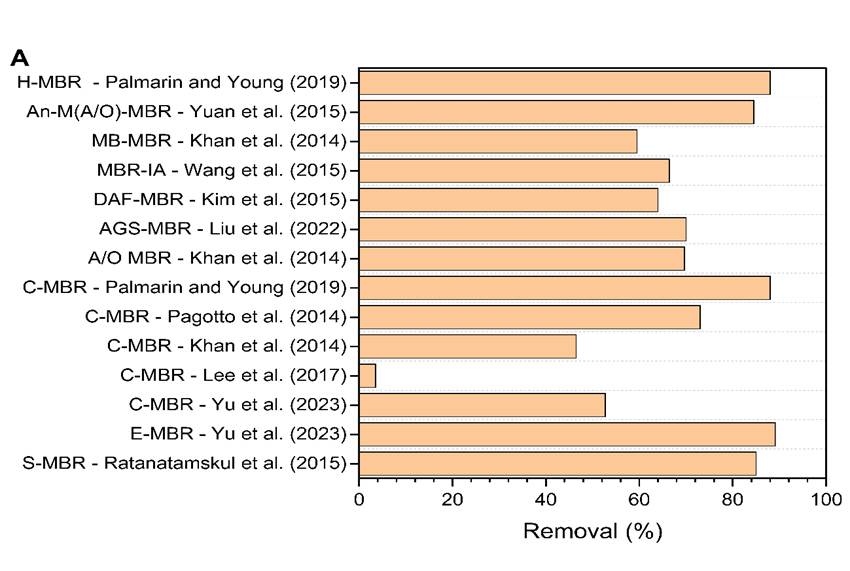
Figure 3 synthesizes and relates the findings, comparing
various membrane bioreactor technologies and their P removal efficiencies.
Choosing an MBR technology should consider the necessary P removal efficiency,
operating and maintenance costs, and system complexity. High-efficiency
technologies may be preferred in areas with stricter environmental regulations,
while moderate-efficiency options may be suitable for preliminary or less
restrictive treatments. Segregating studies with maximum efficiencies above 90
% and below this threshold created two separate charts (Figures 3A and 3B).
Overall, all reviewed studies yielded positive results in P
removal. However, most approached 90 %, highlighting the high efficiency of
membrane bioreactors. Configurations involving electrocoagulation, coagulant
addition, and/or integration with other treatment systems stood out as primary
or polishing steps.
Evidence published after the search window, cited here for
context and not included in the synthesis, qualifies this trade-off rather than
confirming it as inevitable. Where fouling is addressed through sludge
morphology and microbial regulation instead of through hydraulic or chemical
means, low effluent phosphorus and stable transmembrane pressure have been
reported simultaneously and under demanding conditions (Wu et al., 2026). This
suggests that the coupling observed across much of the literature reviewed here
reflects the particular strategies adopted (coagulant dosing and elevated
biomass concentrations) rather than a necessary relationship between phosphorus
removal and membrane fouling.
The keyword nutrient recovery warrants explicit treatment,
because removing P from the liquid phase and recovering it as a usable product
are distinct achievements, and the studies synthesized here overwhelmingly
demonstrate the former. Phosphorus removed in an MBR accumulates either in the
biomass as intracellular polyphosphate or in chemical precipitates within the
sludge, and neither form is directly usable as fertilizer. Phosphorus bound to
aluminium or iron is of low plant availability, and its release requires
acidification or anaerobic conditions before any crystallization step can
proceed; this is the constraint that acidogenic co-fermentation with iron
dosing is designed to overcome, converting the bound P into a soluble form
recoverable from the sludge liquor (Li et al., 2019). Struvite crystallization
is the most mature recovery route, but it requires a P-rich, low-solids liquor,
adequate magnesium, and pH control, and its yield and product quality are
sensitive to competing ions, calcium in particular (Cañas et al., 2023).
Alternative routes applied specifically to membrane systems include adsorption
from AnMBR permeate (Hafuka and Kimura, 2022) and precipitation with
magnesium-based pellets integrated into an AAO-MBR (Eghombi et al., 2022). Beyond
process constraints, the agricultural use of sludge-derived P is limited by
co-accumulated contaminants and by regulatory frameworks that differ
substantially between jurisdictions. Recovery from MBR systems is therefore
best understood as a downstream operation enabled by, but not equivalent to,
the removal performance reported in this review.
Figure 3: Different MBR configurations applied
in P removal with efficiencies (A) below 90% and (B) above 90%
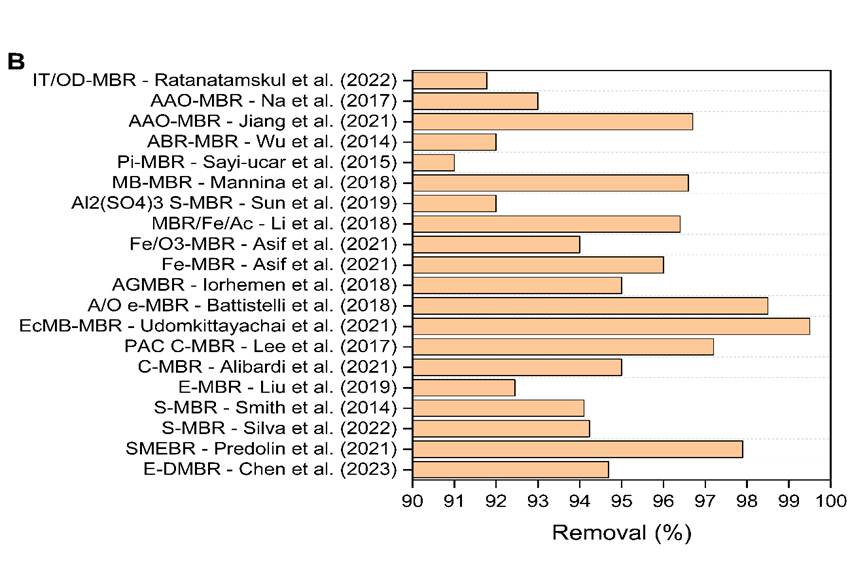
Source: Values correspond to
the maximum removal reported by each study for the P fraction stated in Tables
1 to 5. Abbreviations used in the chart are defined in the list of
abbreviations at the end of this document.
Table 6 presents data from selected articles, showcasing
the processes and advantages of each MBR technology for P removal in effluents.
This provides a comparative analysis, highlighting the robustness and
effectiveness of MBRs in meeting stringent treatment and reuse requirements.
By presenting various configurations and their
efficiencies, Table 6 underscores the importance of selecting the most suitable
technology based on proven performance. It also serves as a reference for
future research in the sanitary field, indicating applications needing further
testing and those already well-established.
Authors integrating electrocoagulation with MBR reaffirmed
its greater efficacy in P removal and membrane fouling control (Chen et al.,
2023, Liu et al., 2019, Predolin et al., 2021, Udomkittayachai et al., 2021, Yu
et al., 2023).
Conversely, the application of coagulants as a complement
to MBR treatment effectively supplemented the process while providing greater
operational stability (Alibardi et al., 2021, Asif et al., 2021, Lee et al.,
2017, Li et al., 2018, Silva et al., 2022, Sun et al., 2019).
Meanwhile, MBRs associated with other technologies and/or
featuring zone variations optimize space usage through process integration,
enhancing treatment outcomes without chemical additions (Jiang et al., 2021,
Khan et al., 2014, H. Lee et al., 2015, Na et al., 2017, Palmarin and Young,
2019, Ratanatamskul et al., 2015, Sayi-Ucar et al., 2015, Wu et al., 2014, Yuan
et al., 2015).
Table 6 Summary of applied processes and main
advantages related to studies using MBRs for P removal.
|
MBR
configuration
|
Applied process
|
Main advantages
|
Ref
|
|
Electric
Field-Controlled Dynamic Membrane Bioreactor (E-DMBR)
|
E-DMBR-Ti: with
titanium anode
E-DMBR-Al: with
aluminum anode and electrocoagulation technology
|
E-DMBR-Ti: The application of an electric field significantly reduced
the membrane fouling rate (↓ 48.99 %)
E-DMBR-Al: Electrocoagulation increased the abundance of electroactive
microorganisms and PAOs, contributing to excellent P removal (94.69 %)
|
(Chen et al., 2023)
|
|
Submerged Membrane
Bioreactor with Electrocoagulation (S-MEBR)
|
Submerged with
aluminum anode and stainless steel cathode
|
Significant fouling
reduction (TMP - 72.80 % and EPS - 55.50 %)
Improved effluent
quality with a 34.60 % increase in P removal
|
(Predolin et al.,
2021)
|
|
Aerobic Granular
Sludge Membrane Bioreactor (AGS-MBR)
|
Electrocoagulation
with an anode-cathode iron membrane and electrostatic repulsion
|
180-day operation
without sludge disposal
Identification of
distribution of different P fractions
Potential for P
recovery
|
(Liu et al., 2022)
|
|
Electrochemical
Membrane Bioreactor (E-MBR)
|
Electrocoagulation
with an anode-cathode iron membrane and electrostatic repulsion
|
Fouling mitigation
and extended membrane lifespan by 3x
Increased sludge
floc size and microbial diversity
66.70 % reduction
in maintenance costs
|
(Yu et al., 2023)
|
|
Submerged Membrane
Bioreactor (S-MBR)
|
Metal salts used:
ferric chloride and aluminum sulfate
|
Improved P removal
(94.23 %)
Operational
stability
|
(Silva et al.,
2022)
|
|
Submerged Membrane
Bioreactor (S-MBR)
|
Use of PVDF hollow
fiber microfiltration membranes with 0.1 μm pore size
Membrane operation
with adjusted flows and regular cleaning procedures
Associated with
real treatment system with sequential biological reaction tanks: anaerobic,
anoxic, and aerobic
|
High P removal
efficiency (94.10 %)
Effluent quality
suitable for reuse and discharge (0.28 mg L-1), meeting strict
standards
The system
maintained high efficiency during operational variations and loads
|
(Smith et al.,
2014)
|
|
Membrane Bioreactor
(MBR)
|
Point dosage of
ferric sulfate in the MBR
Comparison with
continuous backwash upflow sand filter and high-rate compressible media
filter technologies
|
The MBR achieved
the highest P removal efficiency (95 %) among the evaluated technologies
High solids removal
efficiency
|
(Alibardi et al.,
2021)
|
|
Membrane Bioreactor
(MBR)
|
Addition of
coagulants (PAC with varying basicities and alum) directly to the aerobic
tank of the MBR
|
Meets discharge
standards
Proper use of
coagulants helps control membrane fouling, extending lifespan and reducing
maintenance costs
Coagulant dosage
can be adjusted based on inlet water quality and discharge requirements,
providing operational flexibility
|
(Lee et al., 2017)
|
|
Conventional
Membrane Bioreactor (C-MBR), Movable Biofilm MBR (MB-MBR), Anoxic/Oxic MBR
(A/O-MBR)
|
Uses traditional
suspended biomass (C-MBR)
Incorporates
Kaldnes® plastic media for biofilm growth (MB-MBR)
Combines anoxic and
oxic zones with Kaldnes® plastic media (A/O-MBR)
|
Reduced membrane
fouling
Increased P removal
efficiency (69.7 %)
Extended filtration
cycles, especially in A/O-MBR
|
(Khan et al., 2014)
|
|
Side-Stream Aerobic
Granular Sludge Membrane Bioreactor (AGMBR)
|
Use of a long
anaerobic phase during the SBR cycle to promote P accumulation by PAOs
The system operated
with 240-min cycles, including 60 min of anaerobic filling, 170 min of
aeration, and 10 min of settling and disposal
|
High P removal efficiency (≥ 95 %)
Significant
membrane fouling reduction due to granular structure and anaerobic feeding
operation
Simultaneous
removal capacity for organic compounds and nutrients
|
(Iorhemen et al.,
2018)
|
|
Multi-Anoxic/Oxic
Anaerobic Membrane Bioreactor (An-M(A/O)-MBR)
|
Incorporation of
multiple anoxic and oxic phases to promote effective
nitrification/denitrification and biological P removal
The system uses
step-feed to optimize organic substrate distribution along the reactor
|
Operational
flexibility through adjusting feed rates and anoxic/oxic zones to optimize
nutrient removal
Reduced membrane
fouling due to design that allows effective solids retention and strategic
aeration
Adaptability to
different organic load levels, maintaining treatment efficiency even with
significant variations in effluent concentration
|
(Yuan et al., 2015)
|
|
Intermittently
Aerated Membrane Bioreactor (MBR-IA)
|
The MBR-IA system
operates with alternating aerobic and anoxic phases to stimulate specific
biochemical reactions for nutrient removal
|
Low sludge
production and good effluent quality
Potential for P
recovery, reducing excess sludge discharge
Energy savings due
to intermittent aeration
Ability to recycle
P-rich sludge
|
(Wang et al., 2015)
|
|
Compartmentalized
Anaerobic Bioreactor (ABR) combined with Membrane Bioreactor (MBR)
|
Multi-compartment
configuration allowing microbial environments to be optimized for different
treatment functions
Use of sludge
cycling and controlled dissolved oxygen conditions to maximize nutrient
removal
|
Configuration
allows for the use of different zones for specific processes (nitrification,
denitrification, P release and absorption), promoting efficient treatment
Operational
stability with high-quality effluent production
|
(Wu et al., 2014)
|
|
Membrane Bioreactor
(MBR) with ZeeWeed® 500D ultrafiltration
|
Hollow fiber
membrane bioreactors operated by suction
|
Smaller footprint
compared to conventional systems
Superior effluent
quality, suitable for various direct reuse applications, such as cooling
tower makeup water
Significant
reduction in sludge production
High P and SS
removal efficiency
|
(Pagotto et al.,
2014)
|
|
Moving Bed Membrane
Bioreactor (MBMBR)
|
Combination of
biofilm (IFAS) with a membrane bioreactor (MBR), using biofilm carriers in
aerobic and anoxic reactors
Use of sludge
cycling and controlled dissolved oxygen operation to maximize nutrient
removal
Separate zones for
effective nitrification and denitrification, as well as biological P removal
by PAOs
|
Higher volumetric
loading rates
Flexibility in the
anaerobic, anoxic, and aerobic mass fraction through liquid mix recycle
Higher volumetric
loading rates and lower sludge production due to higher SRT
|
(Mannina et al.,
2018)
|
|
Pilot-Scale
Membrane Bioreactor (MBR-P)
|
Operation under
varying temperature conditions to investigate effects on nutrient removal
(P1, P2, P3, P4, and P5)
The UCT
configuration helps maximize biological nutrient removal (nitrogen and P),
and the MBR setup allows continuous operation without sedimentation issues
|
High efficiency in
nitrogen and P removal, especially under varied temperatures.
Capable of
effective operation across a wide temperature range (25 – 40 °C).
Flexibility in
treatment due to modular configuration.
Ability to adjust
operational conditions in response to temperature and organic load.
|
(Sayi-Ucar et al.,
2015)
|
|
Anoxic/Oxic
Membrane Electro-Bioreactor (A/O e-MBR)
|
System operation
with varying HRT to investigate effects on nutrient removal, biomass
activity, and membrane fouling behavior.
Includes a
pre-denitrification tank to enhance total nitrogen removal in e-MBR systems,
alternating anoxic and aerobic conditions through EC application.
Application of EC
between two metallic electrodes.
|
Reduced plant size
due to integrated processes.
High organic matter
and P removal efficiencies, superior to those observed in C-MBR.
|
(Battistelli et
al., 2018)
|
|
Submerged PVDF
Hollow Fiber Membrane Bioreactor (SMBR)
|
Use of specially
designed membranes for large-scale wastewater treatment.
System capacity: 50
m3 d-1.
|
High removal
efficiency and complete SS rejection.
High phosphate
removal efficiency, achieving between 80 – 85 % removal after a 4 – 5 d
acclimation period.
|
(Ratanatamskul
et al., 2015)
|
|
Anoxic and Aerobic
Membrane Bioreactor (A/O-MBR)
|
Both systems
configured with submerged membranes.
Comparative process
between a four-stage anoxic MBR and an aerobic MBR to avoid chemical use for
nutrient removal.
|
Efficient carbon
source utilization for nutrient removal.
Greater operational
control through distinct phases allowing fine adjustments in response to
variations in input load and composition.
|
(Lee et al., 2015)
|
|
Anaerobic/Anoxic/Aerobic
Membrane Bioreactor with Limited Aeration (AAO-MBR)
|
Combination of
anaerobic, anoxic, and aerobic bioreactors in sequence to optimize nutrient
removal.
Limited aeration
application to maintain optimal conditions for biological P release and
absorption, as well as simultaneous nitrification and denitrification
|
MBR achieved
nitrogen and P removal of 81.5 % and 96.7 %.
Limited aeration
AAO-MBR reduced fouling issues.
MBR improved
metabolic activity of bacteria responsible for nutrient removal.
Resulting sludge
has high reuse potential.
|
(Jiang et al.,
2021)
|
|
Submerged Ceramic
Membrane Bioreactor (SMBR) with Iron (Fe(II)) Addition and In-Situ Ozonation
|
In-situ ozonation
applied intermittently, providing a simple approach to extend MBR operation
with iron dosing
|
Ozonation improved
mixed liquor properties and delayed severe fouling onset on membranes.
Increased floc size
and ozone membrane cleaning contributed to fouling control.
33 % reduction in
membrane fouling compared to MBR with only Fe(II).
|
(Asif et al., 2021)
|
|
Submerged Membrane
Bioreactor (SMBR) with Iron Addition and Acidogenic Co-Fermentation
|
MBR used with
Fe(III) dosing for high P removal efficiency.
Anaerobic
co-fermentation applied to process sludge and recover soluble P.
Recovery process
included vivianite formation by adjusting supernatant pH.
|
Over 60 % of P in
municipal wastewater recovered as vivianite.
High P removal
efficiency (95.6 % with FeCl3 at 20 mg Fe L-1).
Significant
reduction in inorganic accumulation in MBR, improving sludge activity and
efficiency
|
(Li et al., 2018)
|
|
Submerged Membrane
Bioreactor (SMBR) with Aluminum Sulfate Addition
|
Operation with
varying influent COD concentrations to test the effect of COD/N ratio on
nutrient removal and treatment efficiency, combined with aluminum sulfate
addition for chemical P precipitation.
|
Sludge activity was
not inhibited but slightly improved with aluminum sulfate addition.
P removal was
effectively enhanced by aluminum sulfate addition, achieving concentrations
below 0.5 mg L-1.
Effective reduction
in membrane fouling due to decreased EPS.
|
(Sun et al., 2019)
|
|
Conductive Moving
Bed Membrane Bioreactor (EcMB-MBR)
|
System combining
wastewater treatment with bio-electrochemical processes using conductive
floating media and electrodes, operating in intermittent electrical exposure
conditions
|
High nitrogen and P
removal efficiency compared to conventional MBRs.
Use of conductive
media reduced energy consumption and improved contaminant removal.
Additional
operational costs were reasonable, representing a 10 – 30 % increase over
conventional MBR systems
|
(Udomkittayachai et
al., 2021)
|
|
Inclined
Tube/Oxidation Ditch Membrane Bioreactor (IT/OD-MBR)
|
Integration of an
inclined tube anoxic compartment with an aerobic compartment equipped with
microfiltration membranes.
The system operates
with variable horizontal flow rates (0.2, 0.3, 0.4 m s-1).
|
P removal
efficiency above 90 %.
Capability to
operate with low dissolved oxygen levels, saving energy.
Reduced excess
sludge through inclined tube zone.
Capable of
effectively treating wastewater with varying organic and nutrient loads.
Potential for
high-quality water recycling for landscape irrigation and toilet use
|
(Ratanatamskul and
Romskul, 2022)
|
|
Anaerobic-Anoxic-Oxic
Membrane Bioreactor System (A2O-MBR)
|
Membrane bioreactor
coupled with an anaerobic sludge holding tank (SHT) to induce decoupled
metabolism, operated with prolonged HRT and high MLSS.
Recycled sludge
introduced into the anaerobic sludge holding tank to limit substrate and
oxygen availability
|
Significant
reduction in sludge production due to decoupled metabolism, reducing sludge
treatment and disposal costs.
Maintained high P
removal efficiency despite prolonged SRT.
|
(Na et al., 2017)
|
|
Membrane Bioreactor
(Anaerobic + Oxic System) Combined with Dissolved Air Flotation (DAF)
|
DAF-MBR system
using hydrophilic polyvinylidene fluoride (PVDF) microfiltration membrane
with pore size 0.3–0.4 μm.
DAF system used as
a pre-treatment to reduce organic load and oily material before MBR
treatment, operating without coagulant addition
|
Enhanced efficiency
using DAF + MBR technology for SS and total P removal.
Reduced membrane
fouling due to oily material and SS removal by DAF
|
(Kim et al., 2015)
|
|
Membrane Bioreactor
with Electrocoagulation (E-MBR)
|
MBR system combined
with electrocoagulation (E-MBR), using different power supply conditions,
including constant and variable voltage from solar panels
|
Higher nutrient
removal efficiencies under higher voltage application.
Mitigation of
membrane fouling.
Ammoniacal nitrogen
and phosphate removal improved after electrocoagulation
|
(Liu et al., 2019)
|
|
Hybrid Membrane
Bioreactor (HMBR) and Conventional Membrane Bioreactor (C-MBR)
|
Operation included
biocarrier use to support biofilm growth in HMBR compared to conventional
MBR.
|
Biofilm addition
helped maintain higher microbial concentration and diversity.
HMBR showed greater
nitrogen removal efficiency but was indifferent in P removal compared to
conventional MBR
|
(Palmarin and
Young, 2019)
|
Notes: MBR = Membrane Bioreactor;
PAO = Phosphorus-Accumulating Organisms; EPS = Extracellular Polymeric
Substances; EC = Electrocoagulation; SBR = Sequential Batch Reactor; HRT =
Hydraulic Retention Time; SRT = Solids Retention Time; MLSS = Mixed Liquor
Suspended Solids; SS = Suspended Solids; TMP = Transmembrane Pressure. Entries
are organized by treatment category: electrocoagulation-assisted,
coagulant-assisted, and zone-based/hybrid configurations.
5 Conclusions
This review set out to determine how operational parameters
and reactor configurations govern phosphorus removal in MBR-based systems.
Across 29 bench- and pilot-scale studies published between 2014 and 2025, the
evidence shows that MBRs reach the stringent effluent P concentrations demanded
by current discharge regulation, but that they do so through mechanisms whose
performance depends sharply on the operating regime rather than on the membrane
itself.
Configuration was the strongest determinant of performance.
Electro-assisted and coagulant-assisted arrangements consistently exceeded 90 %
TP removal, whereas conventional aerobic MBRs without a dedicated anaerobic
zone or chemical dosing showed markedly more variable results. Among
operational parameters, the balance between HRT and SRT, the availability and
internal distribution of VFAs, and the aeration regime emerged as the
controlling variables, since all three act on the anaerobic release and aerobic
uptake sequence that underpins biological phosphorus removal. Temperature
exerted a measurable effect, with efficiency falling from approximately 95 % at
24 °C to about 50 % above 35 °C. Conditions that improve phosphorus removal
frequently accelerate membrane fouling, and this trade-off was observed across
configuration types; recent work indicates, however, that it reflects the
strategies conventionally adopted rather than a necessary relationship, since
micro-granular sludge systems have achieved effluent TP below 0.03 mg L⁻¹ with
stable transmembrane pressure at short HRT.
Four limitations qualify these conclusions. The search was
restricted to a single database, Scopus, for the reasons of metadata
consistency set out in Section 2, and records indexed elsewhere may not have
been retrieved. The included studies report phosphorus heterogeneously, some as
total phosphorus and others as orthophosphate, which constrains direct
comparison and means that reported TP removal may partly reflect the physical
retention of particulate P rather than removal of dissolved P. The evidence base
is dominated by bench- and pilot-scale work, and full-scale characterization is
scarce, with no Brazilian case other than EPAR Capivari II documented in the
peer-reviewed literature. Finally, cost and energy assessments were absent from
most of the studies reviewed, although recent pilot-scale work reporting energy
performance alongside removal efficiency indicates that this gap is beginning
to close.
The contribution of this work lies in relating operational
conditions to performance separately for each P fraction reported, and in
setting out the mechanisms by which removal occurs rather than treating
efficiency as a property of the configuration alone. This provides a basis on
which subsequent studies can be compared, and clarifies which reported
efficiencies are attributable to dissolved-P removal.
Future research should priorities standardized reporting
metrics that distinguish phosphorus fractions explicitly, systematic cost and
energy assessment alongside removal performance, characterization of full-scale
installations and quantification of the recovery step that converts accumulated
phosphorus into a usable product. The recent demonstration that fouling can be
controlled through sludge morphology and microbial regulation rather than
through chemical dosing identifies a route by which the central trade-off found
in this review might be relaxed, and merits validation at larger scale and with
real wastewater.
6 Acknowledgements
The authors thank the Federal University of Santa Catarina
(UFSC) for the infrastructure and support. During the preparation of this work,
the authors used AI-tools from ChatGPT only to support language editing and
grammar checking. No generative AI was used to create or modify scientific
content. All text was reviewed and edited by the authors, who take full
responsibility for the final content of the publication. This review article's
data is based on publicly available literature, research, and data sources
listed within the text. The bibliography properly credits and cites all
references and sources utilized.
Abbreviations
A Ampere
An-MBR Anaerobic
Membrane Bioreactor
AAO Anaerobic-Anoxic-Oxic
AAO-MBR Anaerobic/Anoxic/Oxic
Membrane with Limited Aeration
A/O Anoxic/Oxic
A/O-MBR Anoxic/Oxic
Membrane Bioreactor
A/O e-MBR Anoxic/Oxic
Electro-membrane Bioreactor
ABR Anaerobic
Baffled Reactor
ABR-MBR Anaerobic
Baffled Reactor combined with Membrane Bioreactor
AGS Aerobic
Granular Sludge
AGS-MBR Aerobic
Granular Sludge-Membrane Bioreactor
AGMBR Aerobic
Lateral Flow Granular Sludge Membrane Bioreactor
C Carbon
CA Continuous
Aeration
CAS Conventional
Activated Sludge
C-MBR Conventional
Membrane Bioreactor
DAF Dissolved
Air Flotation
DAF-MBR Dissolved
Air Flotation followed by Membrane Bioreactor
DAO Deoxygenation-Anaerobic-Oxic
COD Chemical
Oxygen Demand
EC Electrocoagulation
E-DMBR Electric
Dynamic Membrane Bioreactor
E-MBR Electro
Membrane Bioreactor
EcMB-MBR Electroconductive
Moving Bed Membrane Bioreactor
EPS Extracellular
Polymeric Substances
ET Electric
Tension
F Flow
Fe(II) Ferrous
Ion
Fe/O3-MBR Fe(II)-dosed
and In-situ Ozonation Membrane Bioreactor
FeCl3 Ferric
Chloride
GAO
Glycogen-Accumulating Organisms
H-MBR Hybrid
Membrane Bioreactor
LAC Conventional
Activated Sludge
IFAS Integrated
Fixed-Film Activated Sludge
IT-OD Inclined
Tubes-Oxidation Ditch
MB Moving
Bed
MB-MBR Moving
Bed Membrane Bioreactor
MBR Membrane
Bioreactor
MBR-IA Membrane
Bioreactor with Intermittent Aeration
MLSS Mixed
Liquor Suspended Solids
MLVSS Mixed
Liquor Volatile Suspended Solids
NTU Nephelometric
Turbidity Units
NR Not
Reported
P Phosphorus
PAC Polyaluminum
Chloride
PAOs Phosphorus
Accumulating Organisms
PF Permeate
Flow
pH Potential
of Hydrogen
PHA Polyhydroxyalkanoate
PO₄³⁻ Orthophosphate
PO₄³⁻ - P Phosphate-Phosphorus
TMP Transmembrane
Pressure
SBR Sequential
Batch Reactor
SS Suspended
Solids
TSS Total
Suspended Solids
TP Total
Phosphorus
HRT Hydraulic
Retention Time
SRT Solids
Retention Time
V Volts
VFA Volatile
Fatty Acids
WWTP Wastewater
Treatment Plants
SMEBR Submerged
Membrane Electro-Bioreactor
MBR/Fe/Ac Membrane
Bioreactor with Fe(II) dosing and Acidogenic Co-fermentation
An-M(A/O)-MBR Anaerobic-multiple
Anoxic/Oxic-Membrane Bioreactor
Pi-MBR Pilot
Membrane Bioreactor
Ae-MBR Aerobic
Membrane Bioreactor
IT/OD-MBR Inclined
Tube/Oxidation Ditch-Membrane Bioreactor
EPAR Estação
de Produção de Água de Reúso
SANASA Sociedade
de Abastecimento de Água e Saneamento
References
ALIBARDI, L.; VALE,
P.; BAJÓN FERNÁNDEZ, Y. Full-scale trials to achieve low total phosphorus in
effluents from sewage treatment works. Journal of Water Process Engineering,
vol. 40, p. 101981, 2021. Available at: https://linkinghub.elsevier.com/retrieve/pii/S2214714421000684.
ANDRADE, L. H. de et
al. Internal versus external submerged membrane bioreactor
configurations for dairy wastewater treatment. Desalination and Water
Treatment, vol. 52, no 16–18, p. 2920–2932, 2014. Available at: https://linkinghub.elsevier.com/retrieve/pii/S1944398624061046.
ANDRÉS, E. et al.
Phosphate removal using zeolite in treatment wetlands under different
oxidation-reduction potentials. Ecological Engineering, vol. 117, p.
18–27, 2018. Available at: https://linkinghub.elsevier.com/retrieve/pii/S0925857418300855.
ASIF, M. B. et al.
Understanding the role of in-situ ozonation in Fe(II)-dosed membrane bioreactor
(MBR) for membrane fouling mitigation. Journal of Membrane Science, vol.
633, p. 119400, 2021. Available at: https://linkinghub.elsevier.com/retrieve/pii/S0376738821003483.
BACCHIN, P.; AIMAR,
P.; FIELD, R. Critical and sustainable fluxes: Theory, experiments and
applications. Journal of Membrane Science, vol. 281, no 1–2, p. 42–69,
2006. Available at: https://linkinghub.elsevier.com/retrieve/pii/S037673880600250X.
BATTISTELLI, A. A. et
al. Effect of Hydraulic Retention Time on Treatment Performance in an
Anoxic/Oxic Electro-Membrane Bioreactor. Journal of Environmental
Engineering, vol. 144, no 11, 2018. Available at: https://ascelibrary.org/doi/10.1061/%28ASCE%29EE.1943-7870.0001455.
BELLI, T. J. et al.
Effects of solid retention time and exposure mode to electric current on
Remazol Brilliant Violet removal in an electro-membrane bioreactor. Environmental
Science and Pollution Research, vol. 30, no 20, p. 58412–58427, 2023. Available
at: https://link.springer.com/10.1007/s11356-023-26593-2.
BELLI, T. J. et al.
Evaluating the effect of air flow rate on hybrid and conventional membrane
bioreactors: Implications on performance, microbial activity and membrane
fouling. Science of The Total Environment, vol. 755, p. 142563, 2021. Available
at: https://linkinghub.elsevier.com/retrieve/pii/S0048969720360927.
CARRILLO, V. et al.
Characterization and recovery of phosphorus from wastewater by combined
technologies. Reviews in Environmental Science and Bio/Technology, vol.
19, no 2, p. 389–418, 2020. Available at: https://link.springer.com/10.1007/s11157-020-09533-1.
CHEN, L. et al.
Investigation of filtration performance and phosphorus removal in an electric
field controlled dynamic membrane bioreactor. Chemical Engineering Journal,
vol. 478, p. 147328, 2023. Available at: https://linkinghub.elsevier.com/retrieve/pii/S138589472306059X.
CHEN, Y.-T. et al.
Tailored Surface Porosity of Polyethylene-Based Co-continuous Structures for
Moving Bed Biofilm Reactor Carriers. ACS Applied Polymer Materials, vol.
2, no 8, p. 3226–3233, 2020. Available at: https://pubs.acs.org/doi/10.1021/acsapm.0c00380.
CHO, Y.-H. et al.
Effect of organic loading on the performance of MBR for advanced treatment and
water reuse. Desalination and Water Treatment, vol. 33, no 1–3, p.
224–230, 2011. Available at: https://linkinghub.elsevier.com/retrieve/pii/S1944398624198670.
COSTA, R. E. et al. Assessing the performance and microbial community of hybrid moving bed
and conventional membrane bioreactors treating municipal wastewater. Environmental
Technology, vol. 40, no 6, p. 716–729, 2019. Available at: https://www.tandfonline.com/doi/full/10.1080/09593330.2017.1404137.
DA COSTA, R. E. et
al. Comparative study on treatment performance, membrane
fouling, and microbial community profile between conventional and hybrid
sequencing batch membrane bioreactors for municipal wastewater treatment. Environmental
Science and Pollution Research, vol. 25, no 32, p. 32767–32782, 2018. Available
at: http://link.springer.com/10.1007/s11356-018-3248-8.
DIAZ, R. et al.
Enhanced Bio-P removal: Past, present, and future – A comprehensive review. Chemosphere,
vol. 309, p. 136518, 2022. Available at: https://linkinghub.elsevier.com/retrieve/pii/S0045653522030119.
FARIA, O. L. V. et
al. Remoção de fósforo de efluentes da parboilização de arroz por absorção
biológica estimulada em reator em batelada sequencial (RBS). Ciência e
Tecnologia de Alimentos, vol. 26, no 2, p. 309–317, 2006. Available at: http://www.scielo.br/scielo.php?script=sci_arttext&pid=S0101-20612006000200013&lng=pt&nrm=iso&tlng=pt.
GUO, G. et al. Long
term operation performance and membrane fouling mechanisms of anaerobic
membrane bioreactor treating waste activated sludge at high solid concentration
and high flux. Science of The Total Environment, vol. 846, p. 157435,
2022. Available at: https://linkinghub.elsevier.com/retrieve/pii/S0048969722045338.
HAN, S.-S. et al.
Influence of sludge retention time on membrane fouling and bioactivities in
membrane bioreactor system. Process Biochemistry, vol. 40, no 7, p.
2393–2400, 2005. Available at: https://linkinghub.elsevier.com/retrieve/pii/S0032959204004042.
HE, Y. et al.
Emerging electro-driven technologies for phosphorus enrichment and recovery
from wastewater: A review. Water Research, vol. 246, p. 120699, 2023. Available
at: https://linkinghub.elsevier.com/retrieve/pii/S0043135423011399.
IORHEMEN, O. T. et
al. Simultaneous organics and nutrients removal in side-stream aerobic granular
sludge membrane bioreactor (AGMBR). Journal of Water Process Engineering,
vol. 21, p. 127–132, 2018. Available at: https://linkinghub.elsevier.com/retrieve/pii/S2214714417305056.
JIANG, L. et al.
Evaluation of nutrient removal performance and resource recovery potential of
anaerobic/anoxic/aerobic membrane bioreactor with limited aeration. Bioresource
Technology, vol. 340, p. 125728, 2021. Available at: https://linkinghub.elsevier.com/retrieve/pii/S0960852421010695.
JIN, X. et al. Recent
advances in the removal and recovery of phosphorus from aqueous solution by
metal-based adsorbents: A review. Resources, Conservation and Recycling,
vol. 204, p. 107464, 2024. Available at: https://linkinghub.elsevier.com/retrieve/pii/S0921344924000582.
JUDD, S. J. The
status of industrial and municipal effluent treatment with membrane bioreactor
technology. Chemical Engineering Journal, vol. 305, p. 37–45, 2016. Available
at: https://linkinghub.elsevier.com/retrieve/pii/S1385894715012346.
JUDD, S. The status
of membrane bioreactor technology. Trends in Biotechnology, vol. 26, no
2, p. 109–116, 2008. Available at: https://linkinghub.elsevier.com/retrieve/pii/S0167779907003216.
KHAN, S. J. et al.
Evaluation of treatment performance of a full-scale membrane bioreactor (MBR)
plant from unsteady to steady state condition. Journal of Water Process
Engineering, vol. 30, p. 100379, 2019. Available at: https://linkinghub.elsevier.com/retrieve/pii/S2214714416306444.
KHAN, S. J. et al.
Membrane fouling and performance evaluation of conventional membrane bioreactor
(MBR), moving biofilm MBR and oxic/anoxic MBR. Water Science and Technology,
vol. 69, no 7, p. 1403–1409, 2014. Available at: https://iwaponline.com/wst/article/69/7/1403/18069/Membrane-fouling-and-performance-evaluation-of.
KIM, T. et al.
Simultaneous enhancement of nitrogen removal and energy efficiency in a
pilot-scale membrane bioreactor via hybrid jet venturi mixer and automatic
influent carbon split injection. Journal of Water Process Engineering, v. 91,
p. 110549, 2026. DOI: 10.1016/j.jwpe.2026.110549. Disponível
em: https://doi.org/10.1016/j.jwpe.2026.110549. Acesso em: 4 ago. 2026.
KIM, Y. et al.
Dissolved air flotation separation for pretreatment of membrane bioreactor in
domestic wastewater treatment. Journal of Water Supply: Research and
Technology-Aqua, vol. 64, no 2, p. 186–193, 2015. Available at: https://iwaponline.com/aqua/article/64/2/186/29263/Dissolved-air-flotation-separation-for.
KRAUME, M. et al.
Fouling in MBR: What use are lab investigations for full scale operation?. Desalination,
vol. 236, no 1–3, p. 94–103, 2009. Available at: https://linkinghub.elsevier.com/retrieve/pii/S0011916408006310.
LE-CLECH, P.; CHEN,
V.; FANE, T. A. G. Fouling in membrane bioreactors used in wastewater
treatment. Journal of Membrane Science, vol. 284, no 1–2, p. 17–53,
2006. Available at: https://linkinghub.elsevier.com/retrieve/pii/S0376738806005679.
LEE, H. et al. The
4-stage anoxic membrane bioreactor for simultaneous nitrogen and phosphorus
removal, and its strengths and weaknesses. Desalination and Water Treatment,
vol. 54, no 13, p. 3616–3624, 2015. Available at: https://linkinghub.elsevier.com/retrieve/pii/S1944398624067924.
LEE, E.-J.; AN, A.
K.; KIM, H.-S. Effects of Coagulant with Different Basicity on Membrane-based
Biological Treatment for Removing Phosphorus. Journal of Coastal Research,
vol. 79, p. 65–69, 2017. Available at: http://www.bioone.org/doi/10.2112/SI79-014.1.
LENS, P. et al. Water
Recycling and Resource Recovery in Industry: Analysis, Technologies and
Implementation. Water Intelligence Online, vol. 4, p.
9781780402802–9781780402802, 2015. Available at: https://iwaponline.com/ebooks/book/143/.
LI, R.; WANG, X.; LI,
X. A membrane bioreactor with iron dosing and acidogenic co-fermentation for
enhanced phosphorus removal and recovery in wastewater treatment. Water
Research, vol. 129, p. 402–412, 2018. Available at: https://linkinghub.elsevier.com/retrieve/pii/S004313541730951X.
LI, W. et al.
Performance and microbial community dynamics of an internal circulating
photogranular membrane bioreactor for synthetic mariculture wastewater
treatment under different hydraulic retention times. Environmental
Research, v. 305, p. 124972, 2026. DOI:
10.1016/j.envres.2026.124972. Disponível em:
https://doi.org/10.1016/j.envres.2026.124972. Acesso em: 4
ago. 2026.
LIN, H.; WANG, Y.;
DONG, Y. A review of methods, influencing factors and mechanisms for phosphorus
recovery from sewage and sludge from municipal wastewater treatment plants. Journal
of Environmental Chemical Engineering, vol. 12, no 1, p. 111657, 2024. Available
at: https://linkinghub.elsevier.com/retrieve/pii/S2213343723023965.
LIU, Q. et al.
Distribution characteristics of phosphorus-containing substances in a long
running aerobic granular sludge-membrane bioreactor with no sludge discharge. Bioresource
Technology, vol. 347, p. 126694, 2022. Available at: https://linkinghub.elsevier.com/retrieve/pii/S0960852422000232.
LIU, J. et al. Effect
of electrocoagulation on MBR under different power supply conditions. Biochemical
Engineering Journal, vol. 152, p. 107371, 2019. Available at: https://linkinghub.elsevier.com/retrieve/pii/S1369703X19303109.
LIU, H. Y. et al.
Stable operation of MBR under high permeate flux. Water Practice and
Technology, vol. 7, no 4, 2012. Available at: https://iwaponline.com/wpt/article/doi/10.2166/wpt.2012.062/30839/Stable-operation-of-MBR-under-high-permeate-flux.
LIU, W. et al.
Strategies to enhance micropollutant removal from wastewater by membrane
bioreactors: Recent advances and future perspectives. Bioresource Technology,
vol. 344, p. 126322, 2022. Available at: https://linkinghub.elsevier.com/retrieve/pii/S0960852421016643.
MANNINA, G. et al.
The effect of the solids and hydraulic retention time on moving bed membrane
bioreactor performance. Journal of Cleaner Production, vol. 170, p.
1305–1315, 2018. Available at: https://linkinghub.elsevier.com/retrieve/pii/S0959652617322023.
MARGUTI, A. L.;
FERREIRA FILHO, S. S.; PIVELI, R. P. Otimização de processos físico-químicos na
remoção de fósforo de esgotos sanitários por processos de precipitação química
com cloreto férrico. Engenharia Sanitaria e Ambiental, vol. 13, no 4, p.
395–404, 2008. Available at: http://www.scielo.br/scielo.php?script=sci_arttext&pid=S1413-41522008000400008&lng=pt&tlng=pt.
MEHTA, C. M. et al.
Technologies to Recover Nutrients from Waste Streams: A Critical Review. Critical
Reviews in Environmental Science and Technology, vol. 45, no 4, p. 385–427,
2015. Available at: http://www.tandfonline.com/doi/abs/10.1080/10643389.2013.866621.
MENG, F. et al.
Fouling in membrane bioreactors: An updated review. Water Research, vol.
114, p. 151–180, 2017. Available at: https://linkinghub.elsevier.com/retrieve/pii/S0043135417300817.
METCALF & EDDY. Wastewater
Engineering: Treatment and Reuse. 4th ed. [S. l.]: McGrwan-Hill,
2003-. ISSN 0884-2175.
NA, J.-H. et al.
Reduced sludge production in a membrane bioreactor by uncoupling metabolism and
its effect on phosphorus accumulation in the biomass. Environmental
Technology, vol. 38, no 23, p. 3007–3015, 2017. Available at: https://www.tandfonline.com/doi/full/10.1080/09593330.2017.1285964.
NGUYEN, T.-M.-P. et
al. Enhanced nutrient removal and microbial stability in a hybrid membrane
bioreactor driven by Chlorella sorokiniana-Bacteria synergism. Journal of
Water Process Engineering, v. 84, p. 109748, 2026. DOI:
10.1016/j.jwpe.2026.109748. Disponível em:
https://doi.org/10.1016/j.jwpe.2026.109748. Acesso em: 4 ago. 2026.
PAGOTTO, R. et al.
SANASA Capivari II – the first full-scale municipal membrane bioreactor in
Latin America. Water Science and Technology, vol. 70, no 2, p. 272–278,
2014. Available at: https://iwaponline.com/wst/article/70/2/272/18464/SANASA-Capivari-II-the-first-fullscale-municipal.
PALMARIN, M. J.;
YOUNG, S. Comparison of the treatment performance of a hybrid and conventional
membrane bioreactor for greywater reclamation. Journal of Water Process
Engineering, vol. 28, p. 54–59, 2019. Available at: https://linkinghub.elsevier.com/retrieve/pii/S2214714418304768.
POLLICE, A.; LAERA,
G.; BLONDA, M. Biomass growth and activity in a membrane bioreactor with
complete sludge retention. Water Research, vol. 38, no 7, p. 1799–1808,
2004. Available at: https://linkinghub.elsevier.com/retrieve/pii/S0043135404000338.
PREDOLIN, L. M. et
al. Effect of current density on the efficiency of a membrane
electro-bioreactor for removal of micropollutants and phosphorus, and reduction
of fouling: A pilot plant case study. Journal of Environmental Chemical
Engineering, vol. 9, no 1, p. 104874, 2021. Available at: https://linkinghub.elsevier.com/retrieve/pii/S2213343720312239.
RATANATAMSKUL, C.;
CHAROENPHOL, C.; YAMAMOTO, K. Development of the anaerobic baffled
reactor-membrane bioreactor (ABR-MBR) as a biological nutrient removal system
for high-rise building wastewater recycling. Desalination and Water
Treatment, vol. 54, no 4–5, p. 908–915, 2015. Available at: https://linkinghub.elsevier.com/retrieve/pii/S1944398624064944.
RATANATAMSKUL, C.;
ROMSKUL, T. Effect of horizontal-flow velocity on permeate flux and nutrient
removal of the novel inclined-tube/oxidation-ditch membrane bioreactor for
building wastewater recycling. Chemical Engineering Research and Design,
vol. 188, p. 823–830, 2022. Available at: https://linkinghub.elsevier.com/retrieve/pii/S0263876222005998.
RAVADELLI, M. et al.
Anoxic/oxic membrane bioreactor assisted by electrocoagulation for the
treatment of azo-dye containing wastewater. Journal of Environmental
Chemical Engineering, vol. 9, no 4, p. 105286, 2021. Available at: https://linkinghub.elsevier.com/retrieve/pii/S2213343721002633.
SAYI-UCAR, N. et al.
Long-term study on the impact of temperature on enhanced biological phosphorus
and nitrogen removal in membrane bioreactor. Water Research, vol. 84, p.
8–17, 2015. Available at: https://linkinghub.elsevier.com/retrieve/pii/S0043135415300890.
SILVA, M. V. et al. Pós-tratamento
de efluente de biorreator com membranas submersas por coagulação/floculação:
remoção de cor, matéria orgânica e fósforo. Engenharia Sanitaria e Ambiental,
vol. 27, no 3, p. 553–560, 2022. Available at: http://www.scielo.br/scielo.php?script=sci_arttext&pid=S1413-41522022000300553&tlng=pt.
SMITH, S. et al.
Improving biological phosphorus removal in membrane bioreactors – a pilot
study. Journal of Water Reuse and Desalination, vol. 4, no 1, p. 25–33,
2014. Available at: https://iwaponline.com/jwrd/article/4/1/25/28716/Improving-biological-phosphorus-removal-in.
SORGATO, A. C. et al.
A comprehensive review of nitrogen removal in an electro-membrane bioreactor
(EMBR) for sustainable wastewater treatment. International Journal of
Environmental Science and Technology, vol. 20, no 8, p. 9225–9248, 2023. Available
at: https://link.springer.com/10.1007/s13762-022-04717-4.
SOUZA, E. et al.
Membrane fouling suppression using intermittent electric current with low
exposure time in a sequencing batch membrane bioreactor. Journal of
Environmental Chemical Engineering, vol. 8, no 4, p. 104018, 2020. Available
at: https://linkinghub.elsevier.com/retrieve/pii/S2213343720303663.
SUN, G. et al. Effect
of chemical dose on phosphorus removal and membrane fouling control in a
UCT-MBR. Frontiers of Environmental Science & Engineering, vol. 13,
no 1, p. 1, 2019. Available at: http://link.springer.com/10.1007/s11783-019-1085-8.
THOMAS, H.; JUDD, S.;
MURRER, J. Fouling characteristics of membrane filtration in membrane
bioreactors. Membrane Technology, vol. 2000, no 122, p. 10–13, 2000. Available
at: https://linkinghub.elsevier.com/retrieve/pii/S0958211800889594.
UDOMKITTAYACHAI, N.
et al. Electroconductive moving bed membrane bioreactor (EcMB-MBR) for
single-step decentralized wastewater treatment: Performance, mechanisms, and
cost. Water Research, vol. 188, p. 116547, 2021. Available at: https://linkinghub.elsevier.com/retrieve/pii/S0043135420310824.
VAN VUUREN, D. P.;
BOUWMAN, A. F.; BEUSEN, A. H. W. Phosphorus demand for the 1970–2100 period: A
scenario analysis of resource depletion. Global Environmental Change,
vol. 20, no 3, p. 428–439, 2010. Available at: https://linkinghub.elsevier.com/retrieve/pii/S0959378010000312.
VON SPERLING, M. Wastewater
Characteristics, Treatment and Disposal. Water Intelligence Online, vol. 6,
p. 9781780402086–9781780402086, 2015. Available at: https://iwaponline.com/ebooks/book/72/.
WANG, Y.-K. et al.
Simultaneous effective carbon and nitrogen removals and phosphorus recovery in
an intermittently aerated membrane bioreactor integrated system. Scientific
Reports, vol. 5, no 1, p. 16281, 2015. Available at: https://www.nature.com/articles/srep16281.
WU, B. et al.
Micro-granular sludge driven by powder carrier in membrane bioreactor:
highly-efficient N & P removal and membrane fouling alleviation. Water
Research, v. 288, p. 124635, 2026. DOI:
10.1016/j.watres.2025.124635. Disponível em:
https://doi.org/10.1016/j.watres.2025.124635. Acesso em: 4
ago. 2026.
WU, P. et al.
Mechanism of efficient nutrient removal and microbial analysis of a combined
anaerobic baffled reactor–membrane bioreactor process. International Journal
of Environmental Science and Technology, vol. 11, no 6, p. 1611–1618, 2014.
Available at: http://link.springer.com/10.1007/s13762-013-0347-4.
YAQUB, M.; LEE, W.
Modeling nutrient removal by membrane bioreactor at a sewage treatment plant
using machine learning models. Journal of Water Process Engineering, v.
46, p. 102521, 2022. DOI: 10.1016/j.jwpe.2021.102521. Disponível
em: https://doi.org/10.1016/j.jwpe.2021.102521. Acesso em: 4 ago. 2026.
YEON, K.-M. et al.
Membrane coupled high-performance compact reactor: A new MBR system for
advanced wastewater treatment. Water Research, vol. 39, no 10, p.
1954–1961, 2005. Available at: https://linkinghub.elsevier.com/retrieve/pii/S0043135405000989.
YU, B. et al.
Low-maintenance anti-fouling and phosphorus removal of an electro-MBR with Fe
anode-cathodic membrane. Journal of Membrane Science, vol. 672, p.
121417, 2023. Available at: https://linkinghub.elsevier.com/retrieve/pii/S037673882300073X.
YUAN, L. M. et al.
Performance of an innovative step-feed An-M(A/O)-MBR process for nutrients
removal. Desalination and Water Treatment, vol. 55, no 10, p. 2728–2733,
2015. Available at: https://linkinghub.elsevier.com/retrieve/pii/S1944398624050306.
ZHANG, R. et al.
Research progress of electrically-enhanced membrane bioreactor (EMBR) in
pollutants removal and membrane fouling alleviation. Chemosphere, vol.
331, p. 138791, 2023. Available at: https://linkinghub.elsevier.com/retrieve/pii/S0045653523010585.
ZHOU, X. et al.
Comparative Analysis of Bacterial Information of Biofilms and Activated Sludge
in Full-Scale MBBR-IFAS Systems. Microorganisms, vol. 12, no 6, p. 1121,
2024. Available at: https://www.mdpi.com/2076-2607/12/6/1121.